

Oilfield Surfactants Market Analysis, Size, and Forecast 2026-2030: Middle East and Africa (Saudi Arabia, UAE, and South Africa), North America (US, Canada, and Mexico), Europe (UK, Germany, and France), APAC (China, India, and Indonesia), South America (Brazil, Argentina, and Chile), and Rest of World (ROW)

Oilfield Surfactants Market Analysis, Size, and Forecast 2026-2030:
Middle East and Africa (Saudi Arabia, UAE, and South Africa), North America (US, Canada, and Mexico), Europe (UK, Germany, and France), APAC (China, India, and Indonesia), South America (Brazil, Argentina, and Chile), and Rest of World (ROW)

Published: May 2026 318 Pages SKU: IRTNTR71533

Market Overview at a Glance

$674.8 Mn
Market Opportunity
4.1%
CAGR 2025 - 2030
36.4%
Middle East and Africa Growth
$2.12 B
Biobased segment 2024

Oilfield Surfactants Market Size and Growth Forecast 2026-2030

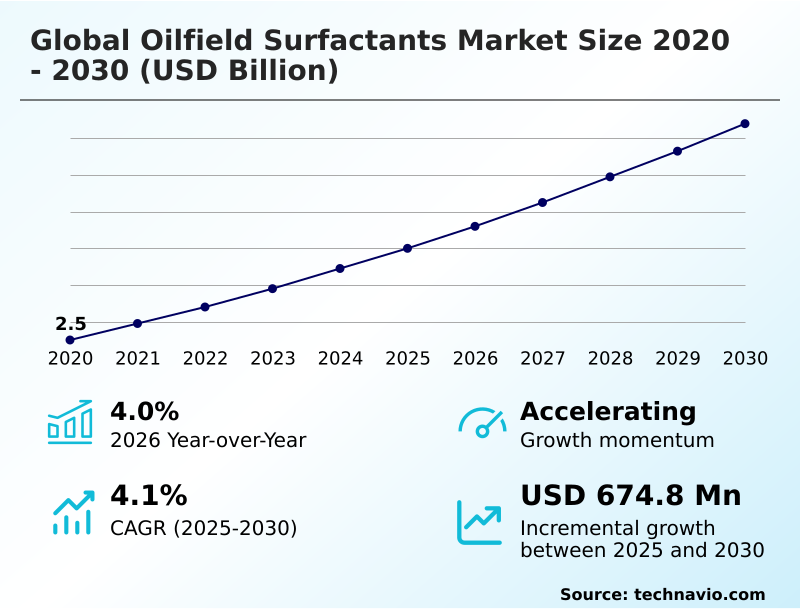
The Oilfield Surfactants Market size was valued at USD 3.00 billion in 2025 growing at a CAGR of 4.1% during the forecast period 2026-2030.

Middle East and Africa accounts for 36.4% of incremental growth during the forecast period. The Biobased segment by Source was valued at USD 2.12 billion in 2024, while the Anionic surfactants segment holds the largest revenue share by Product.

The market is projected to grow by USD 1.18 billion from 2020 to 2030, with USD 674.8 million of the growth expected during the forecast period of 2025 to 2030.
Get Key Insights on Market Forecast (PDF) Request Free Sample

Oilfield Surfactants Market Overview

The oilfield surfactants market is defined by a strategic transition toward advanced chemical formulations designed to maximize hydrocarbon recovery while navigating stringent environmental regulations. A primary market force is the industrialization of chemical enhanced oil recovery to improve yields from mature fields, where specialized anionic surfactants and non-ionic surfactants are critical for mobilizing trapped resources. Concurrently, the industry is witnessing a pronounced shift toward bio-based surfactants, such as rhamnolipids, driven by tightening mandates like the EPA's PFAS reporting rules, which target persistent chemicals. This pivot is not just about compliance but also about de-risking supply chains from the volatility of ethylene oxide precursors. In practice, an operator managing a mature sandstone reservoir in the Permian Basin deploys AI-driven digital chemical dosing systems to optimize a surfactant-polymer flooding program. By using real-time downhole sensor data, the system adjusts the concentration of the surfactant blend to maintain optimal interfacial tension reduction, typically improving sweep efficiency by 15-20% compared to static injection schedules. This integration of smart fluid delivery and sustainable chemistry, with APAC poised to contribute over 13% of market growth, underpins the market's future trajectory.

Drivers, Trends, and Challenges in the Oilfield Surfactants Market

Procurement decisions within the global oilfield surfactants market 2026-2030 are increasingly complex, involving a detailed cost-benefit analysis of biosurfactants in oilfields versus traditional synthetic options. The central technical challenge is achieving consistent surfactant performance in high-salinity brines, which requires a sophisticated understanding of the anionic vs non-ionic surfactants in eor trade-offs.

An operator planning a hydraulic fracturing campaign in a water-scarce basin must evaluate formulations that not only deliver effective interfacial tension reduction but also comply with EPA regulations targeting PFAS chemicals. The role of surfactants in preventing emulsion blocks is critical for maintaining well productivity, especially in heavy oil applications where fluid separation is a constant challenge.

Furthermore, the impact of supply chain volatility on surfactant pricing, particularly for precursors like ethylene oxide, has become a primary boardroom concern. This volatility can increase operational expenditures by over 15% during periods of geopolitical tension, forcing a move toward more stable, albeit initially more expensive, bio-based feedstocks like sophorolipids.

This strategic shift underscores the market's move toward balancing performance, cost, and regulatory compliance.
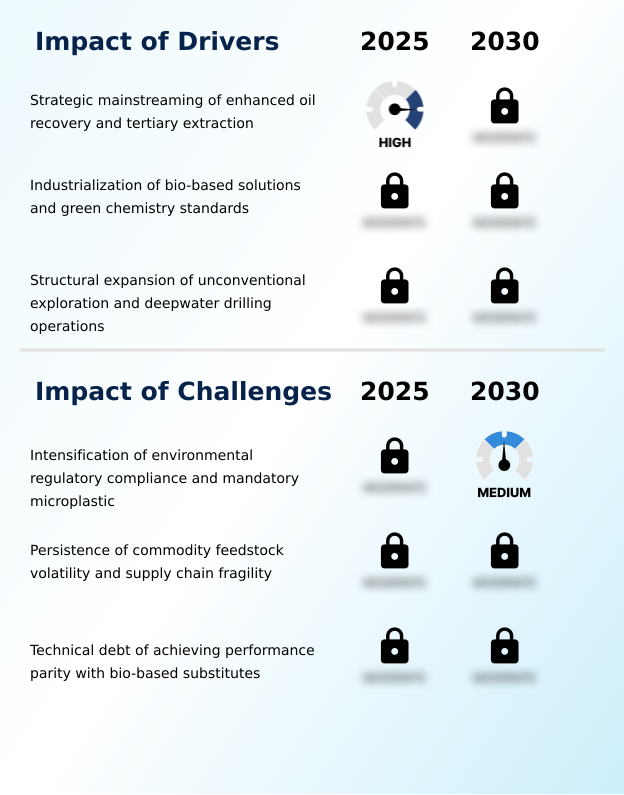
Primary Growth Driver: The strategic mainstreaming of enhanced oil recovery and tertiary extraction methods is a key driver, compelling operators to adopt advanced chemical solutions to maximize output from mature fields.

Market growth is primarily driven by the strategic mainstreaming of enhanced oil recovery (EOR) and tertiary extraction in mature reservoirs.

This shift creates a substantial demand for specialized anionic surfactants and non-ionic surfactants that can lower interfacial tension and mobilize trapped hydrocarbons under high-salinity and high-temperature conditions, contributing to a global surfactant volume of over nineteen million tons.

A second major driver is the industrialization of bio-based solutions and the adoption of green chemistry standards. The implementation of biosurfactants like rhamnolipids, which offer performance parity with reduced ecological footprints, is accelerating in response to stringent environmental mandates.

Lastly, the expansion of unconventional exploration and deepwater drilling operations necessitates high-performance additives, including amphoteric surfactants and silicone-based surfactants, that function as effective wetting agents and friction reducers in complex shale formations.

Emerging Market Trend: The proliferation of surfactant-polymer flooding and hybrid enhanced oil recovery architectures is an emerging trend. This shift moves beyond simple water-flooding to integrated chemical EOR for improved displacement and sweep efficiency.

Key market trends are centered on enhancing recovery efficiency and sustainability through technological innovation. The proliferation of surfactant-polymer flooding in mature fields is moving operations beyond simple water-flooding toward integrated chemical EOR systems that improve both microscopic displacement and macroscopic sweep efficiency, a market segment projected to surpass USD 2 billion.

Another significant development is the expansion of AI-driven real-time chemical optimization and digital chemical dosing systems. These platforms use machine learning algorithms to adjust surfactant concentrations based on downhole conditions, reducing waste and preventing formation damage. Furthermore, the industry is advancing toward nanotechnology surfactants and smart fluid delivery architectures.

These systems utilize nanoparticles to carry surfactant molecules deeper into the rock matrix, enabling precision reservoir management and unlocking previously inaccessible hydrocarbon reserves through atomic-level control.

Key Industry Challenge: The intensification of environmental regulatory compliance, including mandates on synthetic polymer microparticles, presents a significant challenge to market growth, requiring substantial investment in sustainable formulations.

The market faces formidable structural challenges, led by the intensification of environmental regulatory compliance. Mandates such as the European Union's REACH regulation for synthetic polymer microparticles and the EPA's expanding PFAS reporting obligations require a costly overhaul of product portfolios toward sustainable alternatives like alkyl polyglucoside.

A second critical restraint is the persistence of commodity feedstock volatility and supply chain fragility. The prices of essential precursors like ethylene oxide precursors and fatty alcohol feedstocks are subject to geopolitical tensions and crude oil price fluctuations, compressing margins for manufacturers. Finally, a significant technical hurdle is achieving performance parity between traditional synthetic products and emerging bio-based substitutes.

Many biosurfactants struggle to maintain stability in the high-temperature, high-salinity conditions typical of deep-well environments, creating a performance gap that remains a primary barrier to mass-market adoption.

Explore Full Market Dynamics Analysis Request Free Sample

Oilfield Surfactants Market Segmentation

The oilfield surfactants industry research report provides comprehensive data including region-wise segment analysis, with forecasts and analysis for the period 2026-2030, as well as historical data from 2020-2024 for the following segments.

Market Segment by Source
  • Biobased
  • Synthetic
Market Segment by Product
  • Anionic surfactants
  • Non-ionic surfactants
  • Amphoteric surfactants
  • Cationic surfactants
  • Silicone-based
Market Segment by Application
  • Enhanced oil recovery
  • Drilling fluids
  • Stimulation
  • Production chemicals
  • Others
Market Segment by Geography
Middle East and Africa
Saudi Arabia, UAE, South Africa, Israel
North America
US, Canada, Mexico
Europe
UK, Germany, France, The Netherlands, Italy, Spain
APAC
China, India, Indonesia, Australia, Japan, South Korea
South America
Brazil, Argentina, Chile

Source Segment Analysis

The biobased segment is estimated to witness significant growth during the forecast period.

The biobased segment is undergoing transformative expansion, driven by a global strategic pivot toward sustainable chemistry and the decarbonization of upstream operations. These surfactants are derived from renewable feedstocks, including microbial fermentation products such as rhamnolipids and sophorolipids.

In oilfield applications, biobased variants are increasingly favored for their exceptional biodegradability and significantly lower aquatic toxicity compared to traditional petrochemical analogs, making them a preferred choice for offshore drilling in environmentally sensitive reservoirs.

Modern biobased surfactants also demonstrate robust performance, including high thermal stability and the ability to achieve the interfacial tension reduction critical for chemical enhanced oil recovery.

As production costs for fermentation-derived surfactants continue to decline, the biobased segment, which accounted for over 70% of the market, is projected to record the highest growth.
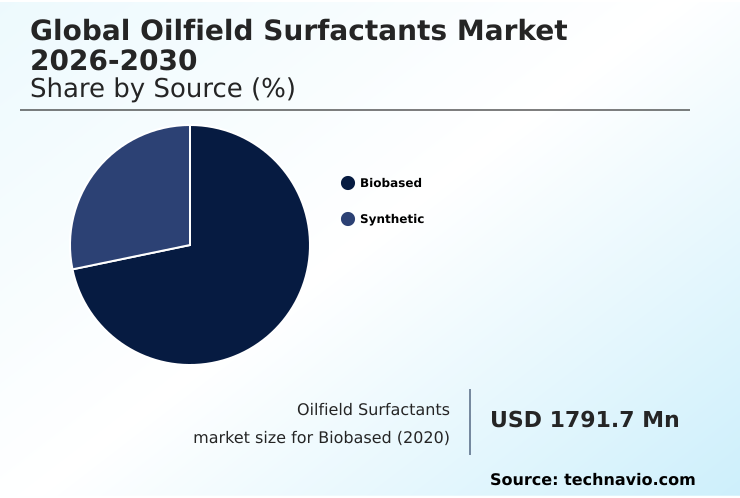
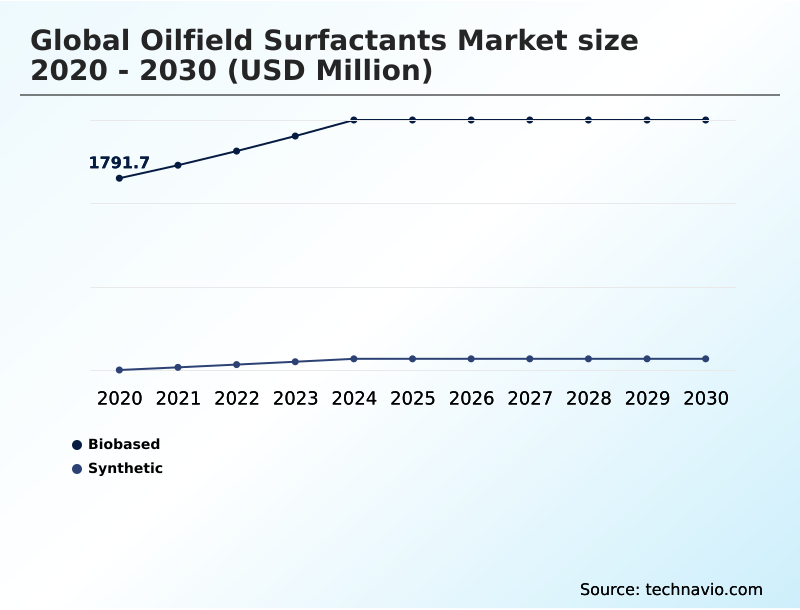
The Biobased segment was valued at USD 2.12 billion in 2024 and showed a gradual increase during the forecast period.
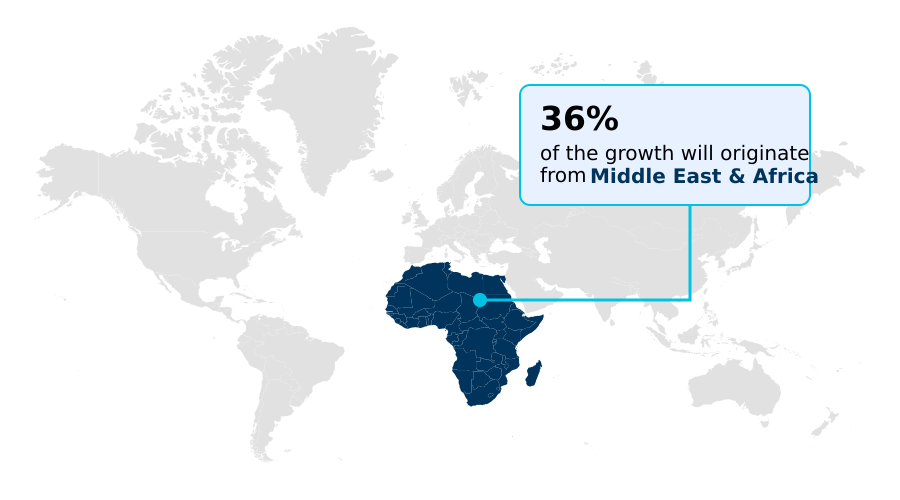
Oilfield Surfactants Market by Region: Middle East and Africa Leads with 36.4% Growth Share

Middle East and Africa is estimated to contribute 36.4% to the growth of the global market during the forecast period.
The geographic landscape of the oilfield surfactants market is characterized by varied regional drivers and technological adoption rates.

The Middle East and Africa is set to contribute approximately 36.4% of the market's incremental growth, driven by large-scale chemical enhanced oil recovery projects in its super-giant fields, requiring high volumes of anionic surfactants and polymer blends.

North America remains a crucial region, with the US market for hydraulic fracturing chemicals being substantial. Here, the focus is on optimizing unconventional shale resource extraction through advanced well stimulation chemistry and real-time chemical optimization.

Meanwhile, APAC is the fastest-growing region with a CAGR of 5.1%, fueled by rising energy demand and government initiatives in China and India to boost domestic production.

In Europe, the market is defined by stringent environmental standards, driving demand for biodegradable oilfield chemicals and green chemistry standards, particularly for offshore operations in the North Sea.

Customer Landscape Analysis for the Oilfield Surfactants Market

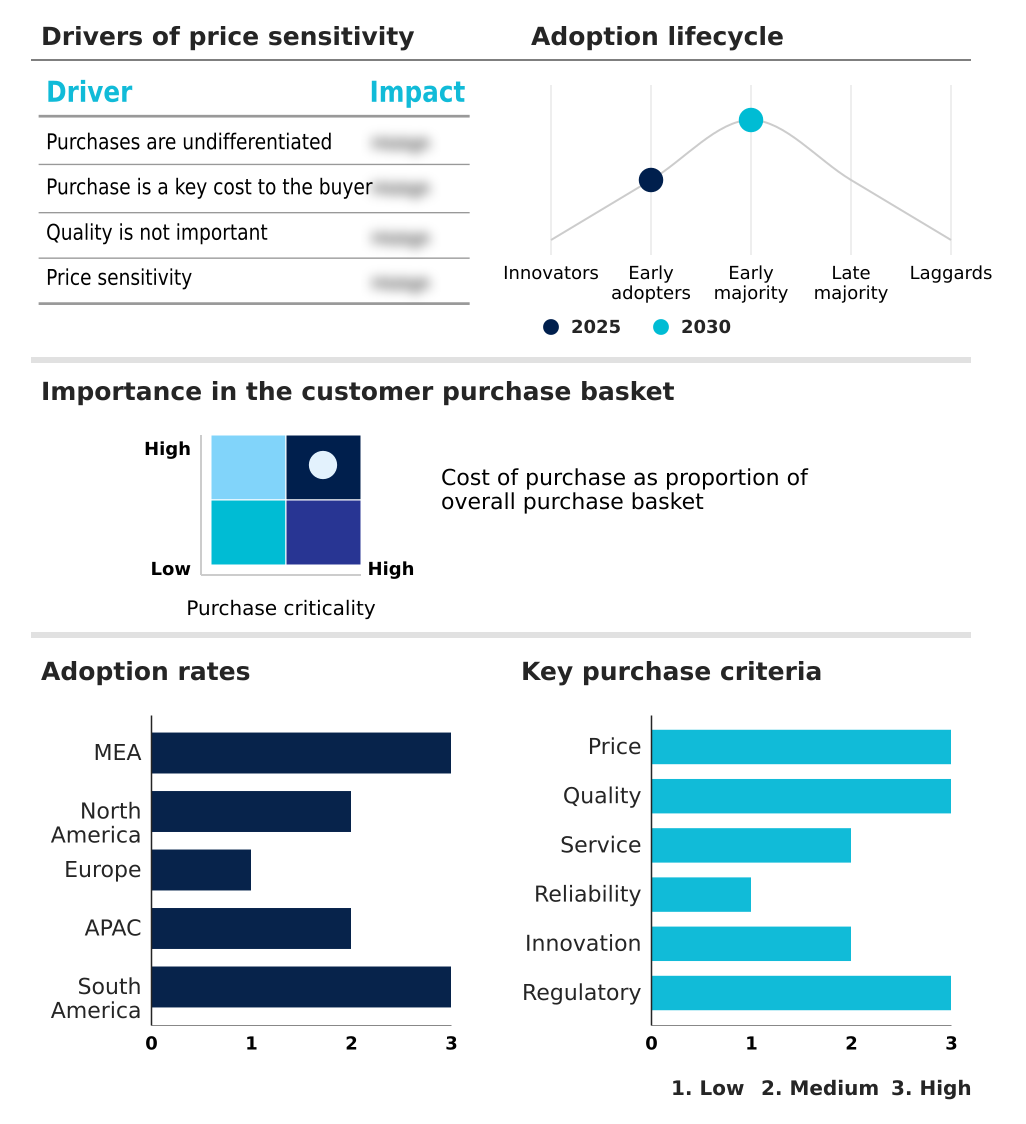
The oilfield surfactants market forecasting report includes the adoption lifecycle of the market, covering from the innovator’s stage to the laggard’s stage. It focuses on adoption rates in different regions based on penetration. Furthermore, the oilfield surfactants market report also includes key purchase criteria and drivers of price sensitivity to help companies evaluate and develop their market growth analysis strategies.
Competitive Landscape of the Oilfield Surfactants Market

Companies are implementing various strategies, such as strategic alliances, partnerships, mergers and acquisitions, geographical expansion, and product/service launches, to enhance their presence in the oilfield surfactants market industry.

3M Co. - Offerings include diverse surfactant classes, from anionic to silicone-based, tailored for applications ranging from enhanced oil recovery to drilling fluid formulation and production chemistry.

The industry research and growth report includes detailed analyses of the competitive landscape of the market and information about key companies, including:

  • 3M Co.
  • Arkema Group
  • Ashland Inc.
  • Baker Hughes Co.
  • BASF SE
  • Clariant International Ltd.
  • Croda International Plc
  • Dow Chemical Co.
  • Evonik Industries AG
  • Halliburton Co.
  • Huntsman International LLC
  • Indorama Ventures Public Co.
  • Kao Corp.
  • Nouryon Chemicals Holding B.V.
  • Sasol Ltd.
  • Schlumberger Ltd.
  • Solvay SA
  • Stepan Co.
  • The Lubrizol Corp.

Qualitative and quantitative analysis of companies has been conducted to help clients understand the wider business environment as well as the strengths and weaknesses of key industry players. Data is qualitatively analyzed to categorize companies as pure play, category-focused, industry-focused, and diversified; it is quantitatively analyzed to categorize companies as dominant, leading, strong, tentative, and weak.

Recent Developments in the Oilfield Surfactants Market

  • In May 2025, The Indonesian government announced adjustments to its palm oil export levy and tax tariffs, a fiscal move impacting the global cost structure and supply chain stability for oleochemical-based anionic surfactants.
  • In October 2025, Sterling Specialty Chemicals launched a new comprehensive line of surfactants, including green long-chain alkoxylates specifically optimized for enhanced oil recovery in unconventional wells.
  • In February 2026, Baker Hughes signed a multiyear preferred provider agreement with Marathon Petroleum to deploy its downstream chemical portfolio, including XERIC heavy oil demulsifiers and BIOQUEST renewable additives, across twelve refineries.
  • In March 2026, BASF announced the successful scale-up of its rhamnolipid-based biosurfactant line, engineered for high-salinity reservoir conditions to meet stringent discharge mandates in the North Sea and APAC.

Research Analyst Overview: Oilfield Surfactants Market

The oilfield surfactants market is evolving beyond bulk commodity chemicals toward specialized, high-performance formulations where value is measured by recovery efficiency and environmental compliance. Boardroom-level decisions now center on the total cost of ownership, weighing the upfront expense of bio-based surfactants against the long-term risk of non-compliance with regulations like REACH.

The commercialization of rhamnolipids and sophorolipids, derived from renewable chemical feedstocks, marks a significant shift, even as synthetic anionic surfactants and non-ionic surfactants remain essential for high-temperature chemical enhanced oil recovery operations. A key development is the integration of nanotechnology surfactants with smart fluid delivery systems, enabling precise, trigger-based release within the reservoir to maximize interfacial tension reduction.

This is particularly vital in surfactant-polymer flooding programs aimed at revitalizing mature assets. With the bio-based segment alone representing a market of over USD 2.2 billion, investment in sustainable production chemicals and biodegradable drilling fluid additives is no longer optional but a core strategic imperative for maintaining market access and a social license to operate.

Dive into Technavio’s robust research methodology, blending expert interviews, extensive data synthesis, and validated models for unparalleled Oilfield Surfactants Market insights. See full methodology.

Request Free Sample

Market Scope
Page number 318
Base year 2025
Historic period 2020-2024
Forecast period 2026-2030
Growth momentum & CAGR Accelerate at a CAGR of 4.1%
Market growth 2026-2030 USD 674.8 million
Market structure Fragmented
YoY growth 2025-2026(%) 4.0%
Key countries Saudi Arabia, UAE, Iran, South Africa, Israel, US, Canada, Mexico, UK, Germany, France, The Netherlands, Italy, Spain, China, India, Indonesia, Australia, Japan, South Korea, Brazil, Argentina and Chile
Competitive landscape Leading Companies, Market Positioning of Companies, Competitive Strategies, and Industry Risks

Oilfield Surfactants Market: Key Questions Answered in This Report

  • What is the expected growth of the Oilfield Surfactants Market between 2026 and 2030?

    • The Oilfield Surfactants Market is expected to grow by USD 674.8 million during 2026-2030, registering a CAGR of 4.1%. Year-over-year growth in 2026 is estimated at 4.0%%. This acceleration is shaped by strategic mainstreaming of enhanced oil recovery and tertiary extraction, which is intensifying demand across multiple end-use verticals covered in the report.

  • What segmentation does the market report cover?

    • The report is segmented by Source (Biobased, and Synthetic), Product (Anionic surfactants, Non-ionic surfactants, Amphoteric surfactants, Cationic surfactants, and Silicone-based), Application (Enhanced oil recovery, Drilling fluids, Stimulation, Production chemicals, and Others) and Geography (Middle East and Africa, North America, Europe, APAC, South America). Among these, the Biobased segment is estimated to witness significant growth during the forecast period, driven by rising adoption across key application areas. Each segment includes detailed qualitative and quantitative analysis, along with historical data from 2020-2024 and forecasts through 2030 with year-over-year growth rates.

  • Which regions are analyzed in the report?

    • The report covers Middle East and Africa, North America, Europe, APAC and South America. Middle East and Africa is estimated to contribute 36.4% to market growth during the forecast period. Country-level analysis includes Saudi Arabia, UAE, Iran, South Africa, Israel, US, Canada, Mexico, UK, Germany, France, The Netherlands, Italy, Spain, China, India, Indonesia, Australia, Japan, South Korea, Brazil, Argentina and Chile, with dedicated market size tables and year-over-year growth for each.

  • What are the key growth drivers and market challenges?

    • The primary driver is strategic mainstreaming of enhanced oil recovery and tertiary extraction, which is accelerating investment and industry demand. The main challenge is intensification of environmental regulatory compliance and mandatory microplastic, creating operational barriers for key market participants. The report quantifies the impact of each driver and challenge across 2026 and 2030 with comparative analysis.

  • Who are the major players in the Oilfield Surfactants Market?

    • Key vendors include 3M Co., Arkema Group, Ashland Inc., Baker Hughes Co., BASF SE, Clariant International Ltd., Croda International Plc, Dow Chemical Co., Evonik Industries AG, Halliburton Co., Huntsman International LLC, Indorama Ventures Public Co., Kao Corp., Nouryon Chemicals Holding B.V., Sasol Ltd., Schlumberger Ltd., Solvay SA, Stepan Co. and The Lubrizol Corp.. The report provides qualitative and quantitative analysis categorizing companies as dominant, leading, strong, tentative, and weak based on their market positioning. Company profiles include business segment analysis, SWOT assessment, key offerings, and recent strategic developments.

Oilfield Surfactants Market Research Insights

Market dynamics are increasingly shaped by the need for high-performance chemistry in technically demanding environments, contributing to a year-over-year growth of 4.0%. The expansion of deepwater drilling chemicals and unconventional shale resource extraction, particularly in North America, which accounts for nearly 30% of incremental growth, requires high-pressure high-temperature surfactants.

In a typical deepwater project, operators rely on advanced flow assurance chemicals and subsea chemical injection systems to manage production, where the failure of a demulsifier can halt operations. This operational dependency is compounded by regulatory pressures, with frameworks like REACH regulation compliance mandating the use of low aquatic toxicity surfactants and biodegradable oilfield chemicals.

This forces a strategic re-evaluation of formulations, moving away from legacy chemistries toward sustainable oleochemical-based surfactants and other green chemistry standards to ensure long-term operational viability.

We can help! Our analysts can customize this oilfield surfactants market research report to meet your requirements.

Get in touch

1. Executive Summary

1.1 Market overview

Executive Summary - Chart on Market Overview
Executive Summary - Data Table on Market Overview
Executive Summary - Chart on Global Market Characteristics
Executive Summary - Chart on Market by Geography
Executive Summary - Chart on Market Segmentation by Source
Executive Summary - Chart on Market Segmentation by Product
Executive Summary - Chart on Market Segmentation by Application
Executive Summary - Chart on Incremental Growth
Executive Summary - Data Table on Incremental Growth
Executive Summary - Chart on Company Market Positioning

2. Technavio Analysis

2.1 Analysis of price sensitivity, lifecycle, customer purchase basket, adoption rates, and purchase criteria

2.2 Criticality of inputs and Factors of differentiation

Chart on Overview on criticality of inputs and factors of differentiation

2.3 Factors of disruption

Chart on Overview on factors of disruption

2.4 Impact of drivers and challenges

Chart on Impact of drivers and challenges in 2025 and 2030

3. Market Landscape

3.1 Market ecosystem

Chart on Parent Market
Data Table on - Parent Market

3.2 Market characteristics

Chart on Market characteristics analysis

3.3 Value chain analysis

Chart on Value chain analysis

4. Market Sizing

4.1 Market definition

Data Table on Offerings of companies included in the market definition

4.2 Market segment analysis

Market segments

4.3 Market size 2025

4.4 Market outlook: Forecast for 2025-2030

Chart on Global - Market size and forecast 2025-2030 ($ million)
Data Table on Global - Market size and forecast 2025-2030 ($ million)
Chart on Global Market: Year-over-year growth 2025-2030 (%)
Data Table on Global Market: Year-over-year growth 2025-2030 (%)

5. Historic Market Size

5.1 Global Oilfield Surfactants Market 2020 - 2024

Historic Market Size - Data Table on Global Oilfield Surfactants Market 2020 - 2024 ($ million)

5.2 Source segment analysis 2020 - 2024

Historic Market Size - Source Segment 2020 - 2024 ($ million)

5.3 Product segment analysis 2020 - 2024

Historic Market Size - Product Segment 2020 - 2024 ($ million)

5.4 Application segment analysis 2020 - 2024

Historic Market Size - Application Segment 2020 - 2024 ($ million)

5.5 Geography segment analysis 2020 - 2024

Historic Market Size - Geography Segment 2020 - 2024 ($ million)

5.6 Country segment analysis 2020 - 2024

Historic Market Size - Country Segment 2020 - 2024 ($ million)

6. Qualitative Analysis

6.1 Impact of AI in global oilfield surfactants market

6.2 Impact of geopolitical conflict for global oilfield surfactants market

7. Five Forces Analysis

7.1 Five forces summary

Five forces analysis - Comparison between 2025 and 2030

7.2 Bargaining power of buyers

Bargaining power of buyers - Impact of key factors 2025 and 2030

7.3 Bargaining power of suppliers

Bargaining power of suppliers - Impact of key factors in 2025 and 2030

7.4 Threat of new entrants

Threat of new entrants - Impact of key factors in 2025 and 2030

7.5 Threat of substitutes

Threat of substitutes - Impact of key factors in 2025 and 2030

7.6 Threat of rivalry

Threat of rivalry - Impact of key factors in 2025 and 2030

7.7 Market condition

Chart on Market condition - Five forces 2025 and 2030

8. Market Segmentation by Source

8.1 Market segments

Chart on Source - Market share 2025-2030 (%)
Data Table on Source - Market share 2025-2030 (%)

8.2 Comparison by Source

Chart on Comparison by Source
Data Table on Comparison by Source

8.3 Biobased - Market size and forecast 2025-2030

Chart on Biobased - Market size and forecast 2025-2030 ($ million)
Data Table on Biobased - Market size and forecast 2025-2030 ($ million)
Chart on Biobased - Year-over-year growth 2025-2030 (%)
Data Table on Biobased - Year-over-year growth 2025-2030 (%)

8.4 Synthetic - Market size and forecast 2025-2030

Chart on Synthetic - Market size and forecast 2025-2030 ($ million)
Data Table on Synthetic - Market size and forecast 2025-2030 ($ million)
Chart on Synthetic - Year-over-year growth 2025-2030 (%)
Data Table on Synthetic - Year-over-year growth 2025-2030 (%)

8.5 Market opportunity by Source

Market opportunity by Source ($ million)
Data Table on Market opportunity by Source ($ million)

9. Market Segmentation by Product

9.1 Market segments

Chart on Product - Market share 2025-2030 (%)
Data Table on Product - Market share 2025-2030 (%)

9.2 Comparison by Product

Chart on Comparison by Product
Data Table on Comparison by Product

9.3 Anionic surfactants - Market size and forecast 2025-2030

Chart on Anionic surfactants - Market size and forecast 2025-2030 ($ million)
Data Table on Anionic surfactants - Market size and forecast 2025-2030 ($ million)
Chart on Anionic surfactants - Year-over-year growth 2025-2030 (%)
Data Table on Anionic surfactants - Year-over-year growth 2025-2030 (%)

9.4 Non-ionic surfactants - Market size and forecast 2025-2030

Chart on Non-ionic surfactants - Market size and forecast 2025-2030 ($ million)
Data Table on Non-ionic surfactants - Market size and forecast 2025-2030 ($ million)
Chart on Non-ionic surfactants - Year-over-year growth 2025-2030 (%)
Data Table on Non-ionic surfactants - Year-over-year growth 2025-2030 (%)

9.5 Amphoteric surfactants - Market size and forecast 2025-2030

Chart on Amphoteric surfactants - Market size and forecast 2025-2030 ($ million)
Data Table on Amphoteric surfactants - Market size and forecast 2025-2030 ($ million)
Chart on Amphoteric surfactants - Year-over-year growth 2025-2030 (%)
Data Table on Amphoteric surfactants - Year-over-year growth 2025-2030 (%)

9.6 Cationic surfactants - Market size and forecast 2025-2030

Chart on Cationic surfactants - Market size and forecast 2025-2030 ($ million)
Data Table on Cationic surfactants - Market size and forecast 2025-2030 ($ million)
Chart on Cationic surfactants - Year-over-year growth 2025-2030 (%)
Data Table on Cationic surfactants - Year-over-year growth 2025-2030 (%)

9.7 Silicone-based - Market size and forecast 2025-2030

Chart on Silicone-based - Market size and forecast 2025-2030 ($ million)
Data Table on Silicone-based - Market size and forecast 2025-2030 ($ million)
Chart on Silicone-based - Year-over-year growth 2025-2030 (%)
Data Table on Silicone-based - Year-over-year growth 2025-2030 (%)

9.8 Market opportunity by Product

Market opportunity by Product ($ million)
Data Table on Market opportunity by Product ($ million)

10. Market Segmentation by Application

10.1 Market segments

Chart on Application - Market share 2025-2030 (%)
Data Table on Application - Market share 2025-2030 (%)

10.2 Comparison by Application

Chart on Comparison by Application
Data Table on Comparison by Application

10.3 Enhanced oil recovery - Market size and forecast 2025-2030

Chart on Enhanced oil recovery - Market size and forecast 2025-2030 ($ million)
Data Table on Enhanced oil recovery - Market size and forecast 2025-2030 ($ million)
Chart on Enhanced oil recovery - Year-over-year growth 2025-2030 (%)
Data Table on Enhanced oil recovery - Year-over-year growth 2025-2030 (%)

10.4 Drilling fluids - Market size and forecast 2025-2030

Chart on Drilling fluids - Market size and forecast 2025-2030 ($ million)
Data Table on Drilling fluids - Market size and forecast 2025-2030 ($ million)
Chart on Drilling fluids - Year-over-year growth 2025-2030 (%)
Data Table on Drilling fluids - Year-over-year growth 2025-2030 (%)

10.5 Stimulation - Market size and forecast 2025-2030

Chart on Stimulation - Market size and forecast 2025-2030 ($ million)
Data Table on Stimulation - Market size and forecast 2025-2030 ($ million)
Chart on Stimulation - Year-over-year growth 2025-2030 (%)
Data Table on Stimulation - Year-over-year growth 2025-2030 (%)

10.6 Production chemicals - Market size and forecast 2025-2030

Chart on Production chemicals - Market size and forecast 2025-2030 ($ million)
Data Table on Production chemicals - Market size and forecast 2025-2030 ($ million)
Chart on Production chemicals - Year-over-year growth 2025-2030 (%)
Data Table on Production chemicals - Year-over-year growth 2025-2030 (%)

10.7 Others - Market size and forecast 2025-2030

Chart on Others - Market size and forecast 2025-2030 ($ million)
Data Table on Others - Market size and forecast 2025-2030 ($ million)
Chart on Others - Year-over-year growth 2025-2030 (%)
Data Table on Others - Year-over-year growth 2025-2030 (%)

10.8 Market opportunity by Application

Market opportunity by Application ($ million)
Data Table on Market opportunity by Application ($ million)

11. Customer Landscape

11.1 Customer landscape overview

Analysis of price sensitivity, lifecycle, customer purchase basket, adoption rates, and purchase criteria

12. Geographic Landscape

12.1 Geographic segmentation

Chart on Market share by geography 2025-2030 (%)
Data Table on Market share by geography 2025-2030 (%)

12.2 Geographic comparison

Chart on Geographic comparison
Data Table on Geographic comparison

12.3 Middle East and Africa - Market size and forecast 2025-2030

Chart on Middle East and Africa - Market size and forecast 2025-2030 ($ million)
Data Table on Middle East and Africa - Market size and forecast 2025-2030 ($ million)
Chart on Middle East and Africa - Year-over-year growth 2025-2030 (%)
Data Table on Middle East and Africa - Year-over-year growth 2025-2030 (%)
Chart on Regional Comparison - Middle East and Africa
Data Table on Regional Comparison - Middle East and Africa

12.3.1 Saudi Arabia - Market size and forecast 2025-2030

Chart on Saudi Arabia - Market size and forecast 2025-2030 ($ million)
Data Table on Saudi Arabia - Market size and forecast 2025-2030 ($ million)
Chart on Saudi Arabia - Year-over-year growth 2025-2030 (%)
Data Table on Saudi Arabia - Year-over-year growth 2025-2030 (%)

12.3.2 UAE - Market size and forecast 2025-2030

Chart on UAE - Market size and forecast 2025-2030 ($ million)
Data Table on UAE - Market size and forecast 2025-2030 ($ million)
Chart on UAE - Year-over-year growth 2025-2030 (%)
Data Table on UAE - Year-over-year growth 2025-2030 (%)

12.3.3 Iran - Market size and forecast 2025-2030

Chart on Iran - Market size and forecast 2025-2030 ($ million)
Data Table on Iran - Market size and forecast 2025-2030 ($ million)
Chart on Iran - Year-over-year growth 2025-2030 (%)
Data Table on Iran - Year-over-year growth 2025-2030 (%)

12.3.4 South Africa - Market size and forecast 2025-2030

Chart on South Africa - Market size and forecast 2025-2030 ($ million)
Data Table on South Africa - Market size and forecast 2025-2030 ($ million)
Chart on South Africa - Year-over-year growth 2025-2030 (%)
Data Table on South Africa - Year-over-year growth 2025-2030 (%)

12.3.5 Israel - Market size and forecast 2025-2030

Chart on Israel - Market size and forecast 2025-2030 ($ million)
Data Table on Israel - Market size and forecast 2025-2030 ($ million)
Chart on Israel - Year-over-year growth 2025-2030 (%)
Data Table on Israel - Year-over-year growth 2025-2030 (%)

12.4 North America - Market size and forecast 2025-2030

Chart on North America - Market size and forecast 2025-2030 ($ million)
Data Table on North America - Market size and forecast 2025-2030 ($ million)
Chart on North America - Year-over-year growth 2025-2030 (%)
Data Table on North America - Year-over-year growth 2025-2030 (%)
Chart on Regional Comparison - North America
Data Table on Regional Comparison - North America

12.4.1 US - Market size and forecast 2025-2030

Chart on US - Market size and forecast 2025-2030 ($ million)
Data Table on US - Market size and forecast 2025-2030 ($ million)
Chart on US - Year-over-year growth 2025-2030 (%)
Data Table on US - Year-over-year growth 2025-2030 (%)

12.4.2 Canada - Market size and forecast 2025-2030

Chart on Canada - Market size and forecast 2025-2030 ($ million)
Data Table on Canada - Market size and forecast 2025-2030 ($ million)
Chart on Canada - Year-over-year growth 2025-2030 (%)
Data Table on Canada - Year-over-year growth 2025-2030 (%)

12.4.3 Mexico - Market size and forecast 2025-2030

Chart on Mexico - Market size and forecast 2025-2030 ($ million)
Data Table on Mexico - Market size and forecast 2025-2030 ($ million)
Chart on Mexico - Year-over-year growth 2025-2030 (%)
Data Table on Mexico - Year-over-year growth 2025-2030 (%)

12.5 Europe - Market size and forecast 2025-2030

Chart on Europe - Market size and forecast 2025-2030 ($ million)
Data Table on Europe - Market size and forecast 2025-2030 ($ million)
Chart on Europe - Year-over-year growth 2025-2030 (%)
Data Table on Europe - Year-over-year growth 2025-2030 (%)
Chart on Regional Comparison - Europe
Data Table on Regional Comparison - Europe

12.5.1 UK - Market size and forecast 2025-2030

Chart on UK - Market size and forecast 2025-2030 ($ million)
Data Table on UK - Market size and forecast 2025-2030 ($ million)
Chart on UK - Year-over-year growth 2025-2030 (%)
Data Table on UK - Year-over-year growth 2025-2030 (%)

12.5.2 Germany - Market size and forecast 2025-2030

Chart on Germany - Market size and forecast 2025-2030 ($ million)
Data Table on Germany - Market size and forecast 2025-2030 ($ million)
Chart on Germany - Year-over-year growth 2025-2030 (%)
Data Table on Germany - Year-over-year growth 2025-2030 (%)

12.5.3 France - Market size and forecast 2025-2030

Chart on France - Market size and forecast 2025-2030 ($ million)
Data Table on France - Market size and forecast 2025-2030 ($ million)
Chart on France - Year-over-year growth 2025-2030 (%)
Data Table on France - Year-over-year growth 2025-2030 (%)

12.5.4 The Netherlands - Market size and forecast 2025-2030

Chart on The Netherlands - Market size and forecast 2025-2030 ($ million)
Data Table on The Netherlands - Market size and forecast 2025-2030 ($ million)
Chart on The Netherlands - Year-over-year growth 2025-2030 (%)
Data Table on The Netherlands - Year-over-year growth 2025-2030 (%)

12.5.5 Italy - Market size and forecast 2025-2030

Chart on Italy - Market size and forecast 2025-2030 ($ million)
Data Table on Italy - Market size and forecast 2025-2030 ($ million)
Chart on Italy - Year-over-year growth 2025-2030 (%)
Data Table on Italy - Year-over-year growth 2025-2030 (%)

12.5.6 Spain - Market size and forecast 2025-2030

Chart on Spain - Market size and forecast 2025-2030 ($ million)
Data Table on Spain - Market size and forecast 2025-2030 ($ million)
Chart on Spain - Year-over-year growth 2025-2030 (%)
Data Table on Spain - Year-over-year growth 2025-2030 (%)

12.6 APAC - Market size and forecast 2025-2030

Chart on APAC - Market size and forecast 2025-2030 ($ million)
Data Table on APAC - Market size and forecast 2025-2030 ($ million)
Chart on APAC - Year-over-year growth 2025-2030 (%)
Data Table on APAC - Year-over-year growth 2025-2030 (%)
Chart on Regional Comparison - APAC
Data Table on Regional Comparison - APAC

12.6.1 China - Market size and forecast 2025-2030

Chart on China - Market size and forecast 2025-2030 ($ million)
Data Table on China - Market size and forecast 2025-2030 ($ million)
Chart on China - Year-over-year growth 2025-2030 (%)
Data Table on China - Year-over-year growth 2025-2030 (%)

12.6.2 India - Market size and forecast 2025-2030

Chart on India - Market size and forecast 2025-2030 ($ million)
Data Table on India - Market size and forecast 2025-2030 ($ million)
Chart on India - Year-over-year growth 2025-2030 (%)
Data Table on India - Year-over-year growth 2025-2030 (%)

12.6.3 Indonesia - Market size and forecast 2025-2030

Chart on Indonesia - Market size and forecast 2025-2030 ($ million)
Data Table on Indonesia - Market size and forecast 2025-2030 ($ million)
Chart on Indonesia - Year-over-year growth 2025-2030 (%)
Data Table on Indonesia - Year-over-year growth 2025-2030 (%)

12.6.4 Australia - Market size and forecast 2025-2030

Chart on Australia - Market size and forecast 2025-2030 ($ million)
Data Table on Australia - Market size and forecast 2025-2030 ($ million)
Chart on Australia - Year-over-year growth 2025-2030 (%)
Data Table on Australia - Year-over-year growth 2025-2030 (%)

12.6.5 Japan - Market size and forecast 2025-2030

Chart on Japan - Market size and forecast 2025-2030 ($ million)
Data Table on Japan - Market size and forecast 2025-2030 ($ million)
Chart on Japan - Year-over-year growth 2025-2030 (%)
Data Table on Japan - Year-over-year growth 2025-2030 (%)

12.6.6 South Korea - Market size and forecast 2025-2030

Chart on South Korea - Market size and forecast 2025-2030 ($ million)
Data Table on South Korea - Market size and forecast 2025-2030 ($ million)
Chart on South Korea - Year-over-year growth 2025-2030 (%)
Data Table on South Korea - Year-over-year growth 2025-2030 (%)

12.7 South America - Market size and forecast 2025-2030

Chart on South America - Market size and forecast 2025-2030 ($ million)
Data Table on South America - Market size and forecast 2025-2030 ($ million)
Chart on South America - Year-over-year growth 2025-2030 (%)
Data Table on South America - Year-over-year growth 2025-2030 (%)
Chart on Regional Comparison - South America
Data Table on Regional Comparison - South America

12.7.1 Brazil - Market size and forecast 2025-2030

Chart on Brazil - Market size and forecast 2025-2030 ($ million)
Data Table on Brazil - Market size and forecast 2025-2030 ($ million)
Chart on Brazil - Year-over-year growth 2025-2030 (%)
Data Table on Brazil - Year-over-year growth 2025-2030 (%)

12.7.2 Argentina - Market size and forecast 2025-2030

Chart on Argentina - Market size and forecast 2025-2030 ($ million)
Data Table on Argentina - Market size and forecast 2025-2030 ($ million)
Chart on Argentina - Year-over-year growth 2025-2030 (%)
Data Table on Argentina - Year-over-year growth 2025-2030 (%)

12.7.3 Chile - Market size and forecast 2025-2030

Chart on Chile - Market size and forecast 2025-2030 ($ million)
Data Table on Chile - Market size and forecast 2025-2030 ($ million)
Chart on Chile - Year-over-year growth 2025-2030 (%)
Data Table on Chile - Year-over-year growth 2025-2030 (%)

12.8 Market opportunity by geography

Market opportunity by geography ($ million)
Data Tables on Market opportunity by geography ($ million)

13. Drivers, Challenges, and Opportunity

13.1 Market drivers

Strategic mainstreaming of enhanced oil recovery and tertiary extraction
Industrialization of bio-based solutions and green chemistry standards
Structural expansion of unconventional exploration and deepwater drilling operations

13.2 Market challenges

Intensification of environmental regulatory compliance and mandatory microplastic
Persistence of commodity feedstock volatility and supply chain fragility
Technical debt of achieving performance parity with bio-based substitutes

13.3 Impact of drivers and challenges

Impact of drivers and challenges in 2025 and 2030

13.4 Market opportunities

Proliferation of surfactant-polymer flooding and hybrid enhanced recovery
Expansion of AI-driven dosing and real-time chemical optimization
Growth of nanotechnology surfactants and smart fluid delivery architectures

14. Competitive Landscape

14.1 Overview

14.2

Overview on criticality of inputs and factors of differentiation

14.3 Landscape disruption

Overview on factors of disruption

14.4 Industry risks

Impact of key risks on business

15. Competitive Analysis

15.1 Companies profiled

Companies covered

15.2 Company ranking index

15.3 Market positioning of companies

Matrix on companies position and classification

15.4 3M Co.

3M Co. - Overview
3M Co. - Business segments
3M Co. - Key news
3M Co. - Key offerings
3M Co. - Segment focus
SWOT

15.5 Arkema Group

Arkema Group - Overview
Arkema Group - Business segments
Arkema Group - Key offerings
Arkema Group - Segment focus
SWOT

15.6 Ashland Inc.

Ashland Inc. - Overview
Ashland Inc. - Business segments
Ashland Inc. - Key news
Ashland Inc. - Key offerings
Ashland Inc. - Segment focus
SWOT

15.7 Baker Hughes Co.

Baker Hughes Co. - Overview
Baker Hughes Co. - Business segments
Baker Hughes Co. - Key offerings
Baker Hughes Co. - Segment focus
SWOT

15.8 BASF SE

BASF SE - Overview
BASF SE - Business segments
BASF SE - Key news
BASF SE - Key offerings
BASF SE - Segment focus
SWOT

15.9 Croda International Plc

Croda International Plc - Overview
Croda International Plc - Business segments
Croda International Plc - Key offerings
Croda International Plc - Segment focus
SWOT

15.10 Dow Chemical Co.

Dow Chemical Co. - Overview
Dow Chemical Co. - Business segments
Dow Chemical Co. - Key offerings
Dow Chemical Co. - Segment focus
SWOT

15.11 Evonik Industries AG

Evonik Industries AG - Overview
Evonik Industries AG - Business segments
Evonik Industries AG - Key offerings
Evonik Industries AG - Segment focus
SWOT

15.12 Halliburton Co.

Halliburton Co. - Overview
Halliburton Co. - Business segments
Halliburton Co. - Key news
Halliburton Co. - Key offerings
Halliburton Co. - Segment focus
SWOT

15.13 Huntsman International LLC

Huntsman International LLC - Overview
Huntsman International LLC - Business segments
Huntsman International LLC - Key offerings
Huntsman International LLC - Segment focus
SWOT

15.14 Indorama Ventures Public Co.

Indorama Ventures Public Co. - Overview
Indorama Ventures Public Co. - Business segments
Indorama Ventures Public Co. - Key offerings
Indorama Ventures Public Co. - Segment focus
SWOT

15.15 Kao Corp.

Kao Corp. - Overview
Kao Corp. - Business segments
Kao Corp. - Key news
Kao Corp. - Key offerings
Kao Corp. - Segment focus
SWOT

15.16 Sasol Ltd.

Sasol Ltd. - Overview
Sasol Ltd. - Business segments
Sasol Ltd. - Key offerings
Sasol Ltd. - Segment focus
SWOT

15.17 Schlumberger Ltd.

Schlumberger Ltd. - Overview
Schlumberger Ltd. - Business segments
Schlumberger Ltd. - Key news
Schlumberger Ltd. - Key offerings
Schlumberger Ltd. - Segment focus
SWOT

15.18 Solvay SA

Solvay SA - Overview
Solvay SA - Business segments
Solvay SA - Key offerings
Solvay SA - Segment focus
SWOT

16. Appendix

16.1 Scope of the report

Market definition
Objectives
Notes and caveats

16.2 Inclusions and exclusions checklist

Inclusions checklist
Exclusions checklist

16.3 Currency conversion rates for US$

16.4 Research methodology

16.5 Data procurement

Information sources

16.6 Data validation

16.7 Validation techniques employed for market sizing

16.8 Data synthesis

16.9 360 degree market analysis

16.10 List of abbreviations

Research Methodology

Technavio presents a detailed picture of the market by way of study, synthesis, and summation of data from multiple sources. The analysts have presented the various facets of the market with a particular focus on identifying the key industry influencers. The data thus presented is comprehensive, reliable, and the result of extensive research, both primary and secondary.

INFORMATION SOURCES

Primary sources

  • Manufacturers and suppliers
  • Channel partners
  • Industry experts
  • Strategic decision makers

Secondary sources

  • Industry journals and periodicals
  • Government data
  • Financial reports of key industry players
  • Historical data
  • Press releases

DATA ANALYSIS

Data Synthesis

  • Collation of data
  • Estimation of key figures
  • Analysis of derived insights

Data Validation

  • Triangulation with data models
  • Reference against proprietary databases
  • Corroboration with industry experts

REPORT WRITING

Qualitative

  • Market drivers
  • Market challenges
  • Market trends
  • Five forces analysis

Quantitative

  • Market size and forecast
  • Market segmentation
  • Geographical insights
  • Competitive landscape

Interested in this report?

Get your sample now to see our research methodology and insights!

Download Now

Frequently Asked Questions

Oilfield Surfactants market growth will increase by USD 674.8 million during 2026-2030.

The Oilfield Surfactants market is expected to grow at a CAGR of 4.1% during 2026-2030.

Oilfield Surfactants market is segmented by Source (Biobased, Synthetic) Product (Anionic surfactants, Non-ionic surfactants, Amphoteric surfactants, Cationic surfactants, Silicone-based) Application (Enhanced oil recovery, Drilling fluids, Stimulation, Production chemicals, Others)

3M Co., Arkema Group, Ashland Inc., Baker Hughes Co., BASF SE, Clariant International Ltd., Croda International Plc, Dow Chemical Co., Evonik Industries AG, Halliburton Co., Huntsman International LLC, Indorama Ventures Public Co., Kao Corp., Nouryon Chemicals Holding B.V., Sasol Ltd., Schlumberger Ltd., Solvay SA, Stepan Co., The Lubrizol Corp. are a few of the key vendors in the Oilfield Surfactants market.

Middle East and Africa will register the highest growth rate of 36.4% among the other regions. Therefore, the Oilfield Surfactants market in Middle East and Africa is expected to garner significant business opportunities for the vendors during the forecast period.

Saudi Arabia, UAE, Iran, South Africa, Israel, US, Canada, Mexico, UK, Germany, France, The Netherlands, Italy, Spain, China, India, Indonesia, Australia, Japan, South Korea, Brazil, Argentina, Chile

  • Strategic mainstreaming of enhanced oil recovery and tertiary extraction is the driving factor this market.

The Oilfield Surfactants market vendors should focus on grabbing business opportunities from the Source segment as it accounted for the largest market share in the base year.
RIA - Research AI Assistant
Ask RIA