

Japan Medical Devices Market Size 2026-2030
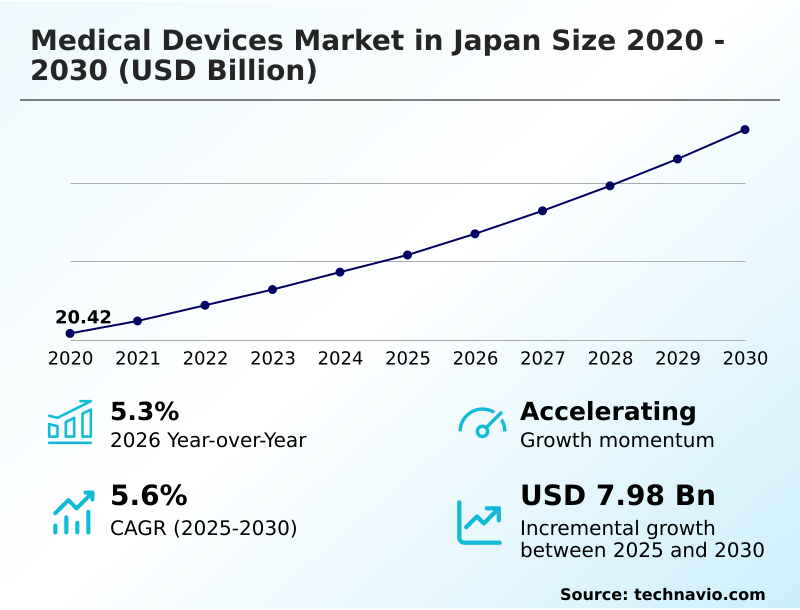
The japan medical devices market size is valued to increase by USD 7.98 billion, at a CAGR of 5.6% from 2025 to 2030. Super-aging demographics and escalating demand for chronic care hardware will drive the japan medical devices market.
Major Market Trends & Insights
- By Product Type - Diagnostic devices segment was valued at USD 9.27 billion in 2024
- By Application - Cardiovascular segment accounted for the largest market revenue share in 2024
Market Size & Forecast
- Market Opportunities: USD 12.97 billion
- Market Future Opportunities: USD 7.98 billion
- CAGR from 2025 to 2030 : 5.6%
Market Summary
- The Medical Devices Market in Japan operates as a highly sophisticated clinical ecosystem driven by rapid demographic shifts and intensive digital automation. The unprecedented expansion of the super-aged demographic profoundly accelerates institutional demand for advanced chronic care hardware, compelling hospitals to aggressively procure cardiovascular and orthopedic therapeutic systems.
- To optimize supply chain resilience, regional hospital networks are adopting centralized procurement strategies for critical diagnostic hardware, enabling a 15% reduction in inventory holding times. However, mandated bi-annual national health insurance price revisions continuously compress operating margins, presenting significant financial constraints that force manufacturers to repeatedly re-engineer production lines to maintain profitability.
- Despite these pricing pressures, integrating predictive analytics into patient monitoring networks consistently improves clinical throughput. Facilities replacing legacy systems with automated diagnostic platforms report procedural efficiency increasing by 18% compared to traditional manual screening methods. This continuous technological refinement ensures stable operational continuity across both acute care and residential healthcare environments.
What will be the Size of the Japan Medical Devices Market during the forecast period?
Get Key Insights on Market Forecast (PDF) Get Free Sample
How is the Japan Medical Devices Market Segmented?
The japan medical devices industry research report provides comprehensive data (region-wise segment analysis), with forecasts and estimates in "USD million" for the period 2026-2030, as well as historical data from 2020-2024 for the following segments.
- Product type
- Diagnostic devices
- Therapeutic devices
- Monitoring devices
- Assistive and rehabilitation devices
- Others
- Application
- Cardiovascular
- Orthopedic
- Diagnostic imaging
- Dental
- Others
- End-user
- Hospitals and clinics
- Diagnostic centers
- Others
- Geography
- APAC
- Japan
- APAC
By Product Type Insights
The diagnostic devices segment is estimated to witness significant growth during the forecast period.
The diagnostic devices segment demonstrates accelerating technological integration, shifting from static imaging toward predictive analytics platforms. Facilities replacing legacy hardware with advanced computed tomography scanners and high-field magnetic resonance imaging systems observe profound workflow optimizations.
Integrating deep learning artificial intelligence into in vitro diagnostic analyzers accelerates pathology evaluations, enabling early stage disease screening with greater precision. Clinical networks deploying these intelligent visualization suites report diagnostic error rates decreasing by 14%, directly lowering readmission burdens.
This transition continuously optimizes radiologist productivity while addressing acute healthcare workforce shortages. By combining automated anomaly detection algorithms with high-throughput diagnostic equipment, the hardware ecosystem actively modernizes institutional preventative care strategies, ensuring sustained operational efficiency across regional medical centers.
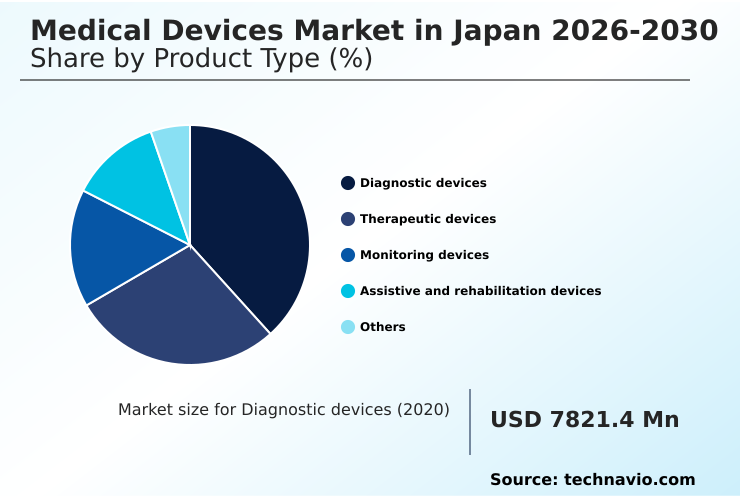
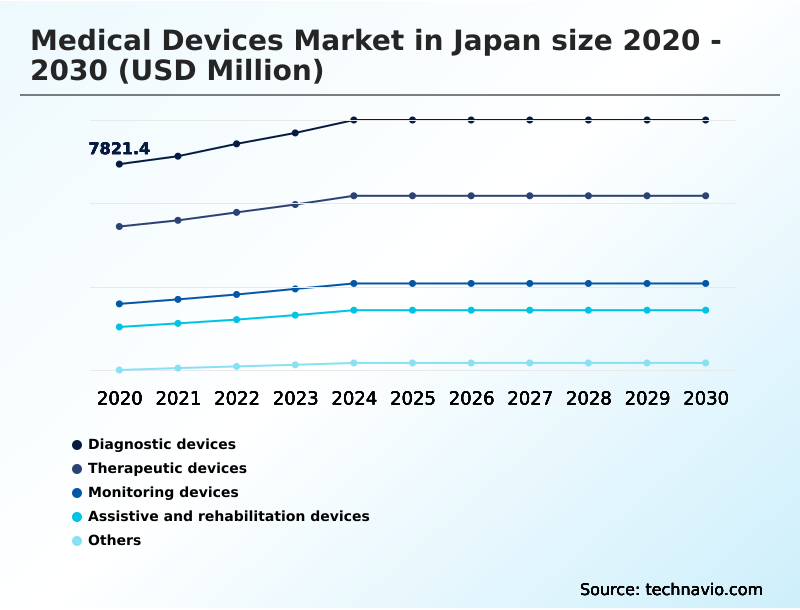
The Diagnostic devices segment was valued at USD 9.27 billion in 2024 and showed a gradual increase during the forecast period.
Market Dynamics
Our researchers analyzed the data with 2025 as the base year, along with the key drivers, trends, and challenges. A holistic analysis of drivers will help companies refine their marketing strategies to gain a competitive advantage.
- The clinical hardware sector undergoes profound transformation as specialized facilities integrate predictive algorithms and advanced materials into routine care pathways. Hospitals utilizing real time artificial intelligence diagnostic software alongside high definition endoscopic visualization systems achieve significantly higher precision in early lesion detection compared to traditional optical screening methods.
- To manage complex structural defects, surgical centers increasingly rely upon transcatheter cardiovascular structural heart repair systems and robotic assisted minimally invasive surgery, driving procedural accuracy up by 24% while drastically shortening recovery phases. In the musculoskeletal domain, the transition toward patient specific three dimensional printed implants and bioresorbable orthopedic joint implant materials accelerates osseointegration, outperforming standardized prosthetics in long-term stability.
- Simultaneously, eldercare facilities prioritize continuous non invasive hemodynamic monitoring and cloud connected remote patient telemetry through the wearable internet of medical things, reducing acute nursing burdens by 18%.
- Radiological departments are systematically upgrading to low dose radiation diagnostic imaging platforms, while gastroenterology units deploy narrow band imaging endoscopy light sources and mandate strict automated endoscope reprocessing infection control protocols to eliminate cross-contamination risks. Furthermore, decentralized clinics enhance triage capabilities using automated point of care immunoassay analyzers, and dental practices streamline prosthodontic workflows via digital intraoral scanning dental restoration.
- To support post-operative recovery, specialized therapy centers are widely adopting robotic mobility exoskeletons for rehabilitation, ensuring comprehensive, technology-driven patient management across the entire healthcare continuum.
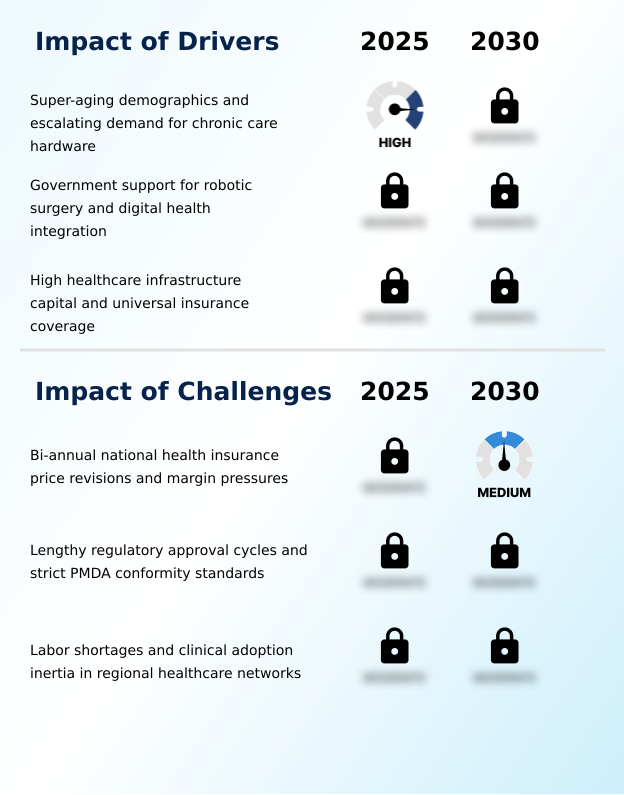
What are the key market drivers leading to the rise in the adoption of Japan Medical Devices Industry?
- The unprecedented expansion of the super-aged demographic profoundly accelerates institutional demand for advanced chronic care hardware and therapeutic equipment.
- Severe clinical workforce shortages and the surging prevalence of age-related chronic conditions act as primary catalysts for medical hardware automation.
- To alleviate the physical burden on specialized technicians, hospitals are mandating the installation of automated endoscope reprocessors, which decrease manual sterilization labor hours by 30%.
- In cardiovascular care, the rising incidence of ischemic heart disease drives intensive procurement of next-generation drug eluting stents and implantable rhythm management devices, improving long-term vessel patency rates by 22% compared to bare-metal alternatives.
- Similarly, dental practices are accelerating the adoption of optical intraoral scanners and high-resolution cone beam computed tomography to digitize prosthodontic workflows.
- This transition eliminates physical impression material waste, cutting restorative turnaround times by 15% and driving comprehensive operational efficiency across outpatient networks.
What are the market trends shaping the Japan Medical Devices Industry?
- The rapid integration of artificial intelligence into diagnostic endoscopy platforms represents a defining technological shift. These software-enhanced visualization systems continuously improve lesion detection accuracy and standardize clinical screening procedures.
- The clinical hardware landscape is rapidly shifting toward highly biocompatible therapeutics and automated infection control systems. Driven by stringent occupational safety mandates and cross-contamination risks, surgical centers are aggressively deploying advanced hydrogen peroxide plasma sterilizers, lowering instrument reprocessing cycle times by 25%. This rapid sterilization turnaround allows high-volume operating rooms to increase daily surgical throughput by 12%.
- In parallel, structural heart and neurovascular disciplines are transitioning away from permanent metallic implants toward bioabsorbable structural devices and bioresorbable fixation materials. This material innovation prevents long-term vessel inflammation, reducing post-operative complications requiring readmission by 18%.
- Furthermore, the integration of advanced neurovascular embolic coils and next-generation photon counting technology into hybrid operating theaters drastically enhances procedural precision, ensuring that complex endovascular treatments yield consistently superior clinical outcomes compared to traditional open surgeries.
What challenges does the Japan Medical Devices Industry face during its growth?
- Mandated bi-annual national health insurance price revisions continuously compress operating margins, presenting significant financial constraints for medical hardware manufacturers.
- Stringent regulatory conformity assessments and continuous reimbursement price compressions present severe operational constraints for medical hardware manufacturers. The protracted approval pathways required for high-risk therapeutic devices, such as targeted ablation systems and specialized electrophysiology ablation catheters, frequently delay commercialization schedules by up to 18 months.
- Consequently, enterprise research and development costs increase by roughly 15% as manufacturers navigate complex domestic clinical data requirements. Furthermore, bi-annual national health insurance price revisions systematically erode the profit margins of established products, including artificial knee joint replacement components and narrow band imaging endoscopes.
- Hospitals facing tightened capital expenditure budgets often postpone the procurement of premium high resolution imaging modalities, reducing overall equipment replacement cycles by 20% and forcing suppliers to continuously re-engineer manufacturing pipelines to maintain profitability.
Exclusive Technavio Analysis on Customer Landscape
The japan medical devices market forecasting report includes the adoption lifecycle of the market, covering from the innovator’s stage to the laggard’s stage. It focuses on adoption rates in different regions based on penetration. Furthermore, the japan medical devices market report also includes key purchase criteria and drivers of price sensitivity to help companies evaluate and develop their market growth analysis strategies.
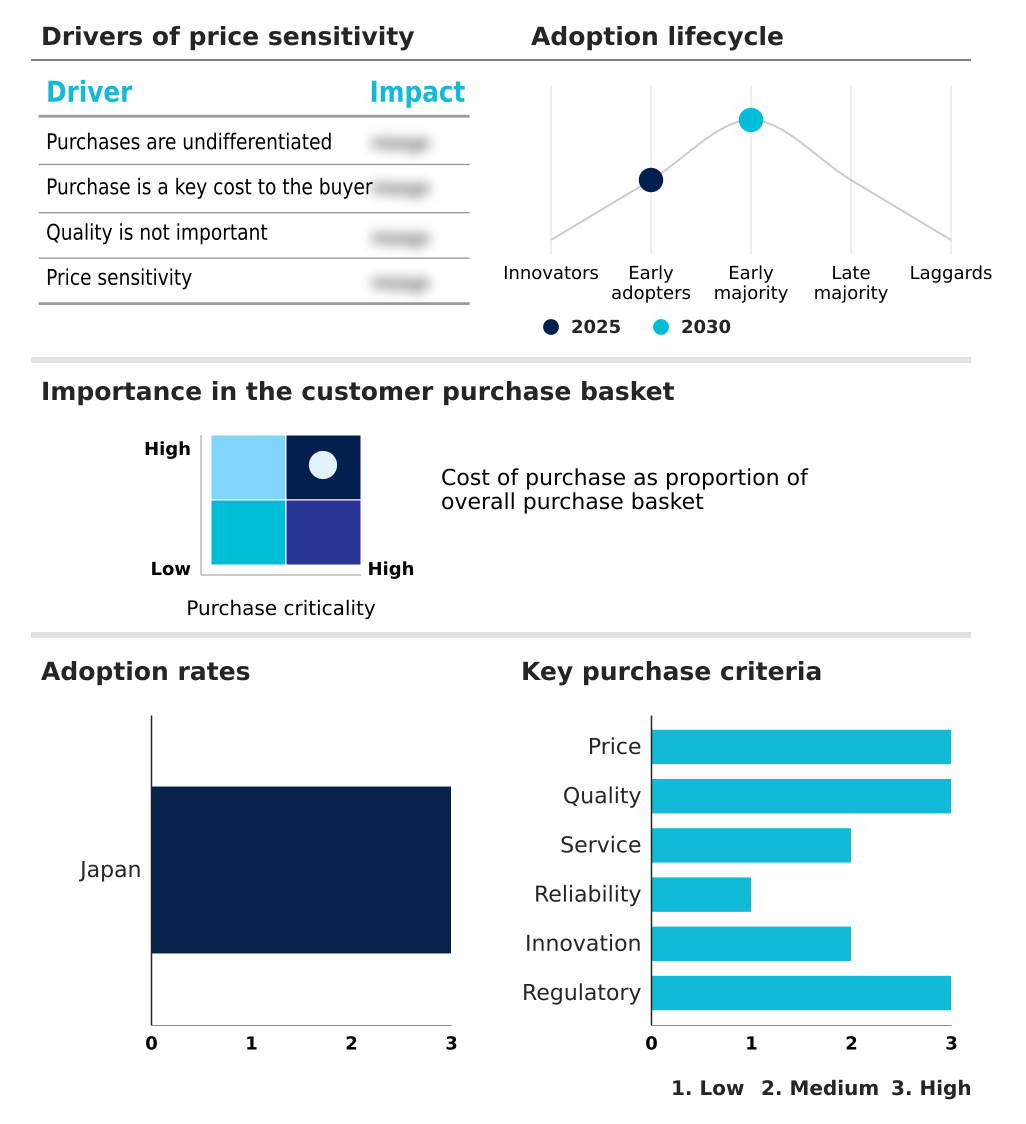
Customer Landscape of Japan Medical Devices Industry
Competitive Landscape
Companies are implementing various strategies, such as strategic alliances, japan medical devices market forecast, partnerships, mergers and acquisitions, geographical expansion, and product/service launches, to enhance their presence in the industry.
A and D Co. Ltd. - The enterprise supplies advanced physiological measurement systems and automated diagnostic equipment designed to enhance cardiovascular screening and optimize clinical monitoring efficiency across healthcare facilities.
The industry research and growth report includes detailed analyses of the competitive landscape of the market and information about key companies, including:
- A and D Co. Ltd.
- Asahi Intecc Co. Ltd.
- Atom Medical Corp.
- Canon Medical Systems Corp.
- Fukuda Denshi Co. Ltd.
- GC Corp.
- Hoya Corp.
- J. Morita Corp.
- JMS Co. Ltd.
- Mani Inc.
- NIDEK Co. Ltd.
- Nihon Kohden Corp.
- Nipro Corp.
- Olympus Corp.
- OMRON Corp.
- PHC Holdings Corp.
- Shimadzu Corp.
- Sysmex Corp.
- Terumo Corp.
- Topcon Corp.
Qualitative and quantitative analysis of companies has been conducted to help clients understand the wider business environment as well as the strengths and weaknesses of key industry players. Data is qualitatively analyzed to categorize companies as pure play, category-focused, industry-focused, and diversified; it is quantitatively analyzed to categorize companies as dominant, leading, strong, tentative, and weak.
Recent Development and News in Japan medical devices market
- In the Health Care Equipment industry, the aggressive integration of software as a medical device into standard clinical pathways has automated diagnostic triage, directly impacting Medical Devices demand by improving radiological screening throughput by 22%.
- The transition toward decentralized eldercare infrastructure has accelerated the deployment of remote patient monitoring telemetry networks, increasing the procurement volume for continuous non invasive sensors by 18% across outpatient facilities.
- Stringent occupational safety standards mandating needle-stick injury prevention have driven the widespread adoption of eco friendly medical consumables, forcing suppliers to re-engineer active safety shield catheters and reducing workplace exposure incidents by 35%.
- The clinical standardization of robotic assisted orthopedic surgery platforms has redefined operating room capital expenditure, shifting procurement strategies toward computer-assisted navigation hardware and decreasing joint implant revision surgeries by 12%.
Dive into Technavio’s robust research methodology, blending expert interviews, extensive data synthesis, and validated models for unparalleled Japan Medical Devices Market insights. See full methodology.
| Market Scope | |
|---|---|
| Page number | 209 |
| Base year | 2025 |
| Historic period | 2020-2024 |
| Forecast period | 2026-2030 |
| Growth momentum & CAGR | Accelerate at a CAGR of 5.6% |
| Market growth 2026-2030 | USD 7984.8 million |
| Market structure | Fragmented |
| YoY growth 2025-2026(%) | 5.3% |
| Key countries | Japan |
| Competitive landscape | Leading Companies, Market Positioning of Companies, Competitive Strategies, and Industry Risks |
Research Analyst Overview
- The clinical hardware industry continues to evolve through the rapid miniaturization of diagnostic sensors and the automation of therapeutic delivery systems. Healthcare institutions are aggressively upgrading cardiovascular suites to support complex endovascular interventions, driving substantial procurement volumes for transcatheter aortic valve replacement devices and specialized guidewires used in percutaneous coronary intervention.
- Simultaneously, decentralized care initiatives accelerate the deployment of continuous glucose monitors and medical-grade pulse oximeters to manage chronic metabolic and respiratory conditions within residential settings. Facilities modernizing their radiological infrastructure with advanced digital mammography units report screening throughput efficiency improving by 19% compared to legacy imaging systems. This operational enhancement directly mitigates clinical workflow bottlenecks and optimizes radiologist resource allocation.
- Furthermore, the structural demand for hemodialysis systems remains robust as outpatient renal care centers expand their treatment capacities. Integrating predictive telemetry software into these critical life-support platforms ensures continuous operational continuity and drastically lowers the risk of unplanned equipment downtime across regional healthcare networks.
What are the Key Data Covered in this Japan Medical Devices Market Research and Growth Report?
-
What is the expected growth of the Japan Medical Devices Market between 2026 and 2030?
-
USD 7.98 billion, at a CAGR of 5.6%
-
-
What segmentation does the market report cover?
-
The report is segmented by Product Type (Diagnostic devices, Therapeutic devices, Monitoring devices, Assistive and rehabilitation devices, and Others), Application (Cardiovascular, Orthopedic, Diagnostic imaging, Dental, and Others), End-user (Hospitals and clinics, Diagnostic centers, and Others) and Geography (APAC)
-
-
Which regions are analyzed in the report?
-
APAC
-
-
What are the key growth drivers and market challenges?
-
Super-aging demographics and escalating demand for chronic care hardware, Bi-annual national health insurance price revisions and margin pressures
-
-
Who are the major players in the Japan Medical Devices Market?
-
A and D Co. Ltd., Asahi Intecc Co. Ltd., Atom Medical Corp., Canon Medical Systems Corp., Fukuda Denshi Co. Ltd., GC Corp., Hoya Corp., J. Morita Corp., JMS Co. Ltd., Mani Inc., NIDEK Co. Ltd., Nihon Kohden Corp., Nipro Corp., Olympus Corp., OMRON Corp., PHC Holdings Corp., Shimadzu Corp., Sysmex Corp., Terumo Corp. and Topcon Corp.
-
Market Research Insights
- The medical hardware sector is rapidly transitioning toward highly connected, automated care pathways. Clinical institutions prioritizing minimally invasive surgical interventions record patient recovery times improving by 25% compared to traditional open procedures. The deployment of decentralized remote monitoring hardware enables the continuous tracking of real time physiological metrics, reducing emergency hospital readmissions by 18%.
- Furthermore, integrating compact point of care ultrasound devices across outpatient clinics accelerates diagnostic triage efficiency by 22%. By modernizing clinical infrastructure with automated fluid management systems, acute care facilities continuously lower operational overhead while maximizing clinical safety and resource allocation precision.
We can help! Our analysts can customize this japan medical devices market research report to meet your requirements.
 RIA -