


Floor Pad Market Size 2026-2030
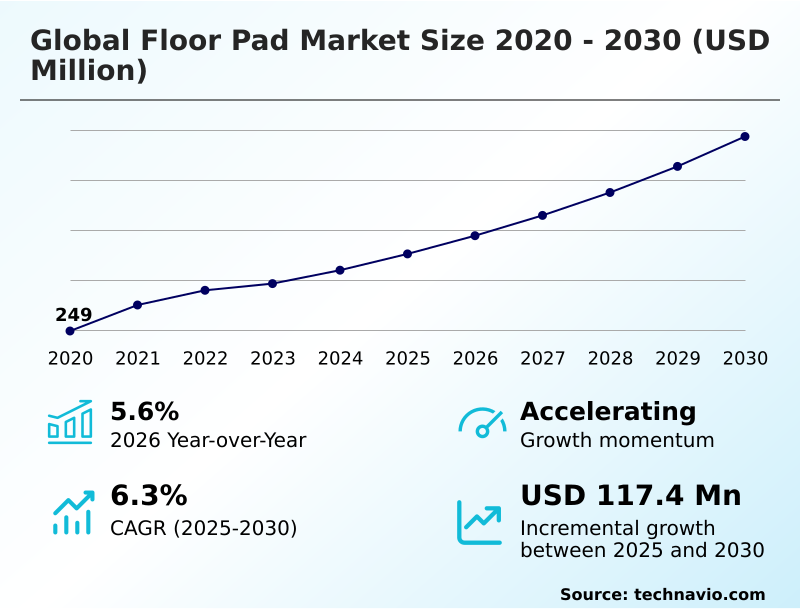
The Floor Pad Market size was valued at USD 326.1 million in 2025, growing at a CAGR of 6.3% during the forecast period 2026-2030.
Major Market Trends & Insights
- North America dominated the market and accounted for a 35.2% growth during the forecast period.
- By Type - PVC pads segment was valued at USD 101 million in 2024
- By End-user - Manufacturing segment accounted for the largest market revenue share in 2024
Market Size & Forecast
- Historic Market Opportunities 2020-2024: USD 194.5 million
- Market Future Opportunities 2025-2030: USD 117.4 million
- CAGR from 2025 to 2030 : 6.3%
Market Summary
- The floor pad market is characterized by steady expansion, with the APAC region demonstrating the highest growth potential at a rate of 7.2, significantly outpacing South America's 5.2. This growth is driven by increasing consumer and regulatory demands for cleaner environments, particularly in the healthcare sector, where stringent infection control protocols require specialized, high-performance pads.
- A key business scenario involves large facility management firms optimizing their supply chains by standardizing on high-durability pads, which can reduce replacement frequency by up to 25% and lower the total cost of ownership.
- However, the market faces a structural challenge from the availability of low-cost labor in certain developing countries, which intensifies price competition and puts pressure on the profit margins of manufacturers in developed economies. This dynamic forces companies to innovate, focusing on value-added features like compatibility with automated cleaning systems and sustainable materials to maintain a competitive edge.
What will be the Size of the Floor Pad Market during the forecast period?
Get Key Insights on Market Forecast (PDF) Request Free Sample
How is the Floor Pad Market Segmented?
The floor pad industry research report provides comprehensive data (region-wise segment analysis), with forecasts and analysis for the period 2026-2030, as well as historical data from 2020-2024 for the following segments.
- Type
- PVC pads
- Fabric pads
- Rubber pads
- Others
- End-user
- Manufacturing
- Warehouse and logistics
- Healthcare
- Hospitality
- Others
- Application
- Industrial
- Commercial
- Others
- Geography
- North America
- US
- Canada
- Mexico
- Europe
- Germany
- UK
- France
- APAC
- China
- Japan
- India
- Middle East and Africa
- Saudi Arabia
- UAE
- South Africa
- South America
- Brazil
- Argentina
- Colombia
- Rest of World (ROW)
- North America
How is the Floor Pad Market Segmented by Type?
The pvc pads segment is estimated to witness significant growth during the forecast period.
The market is segmented by type, with PVC pads commanding a significant share of over 32%, prized for their durability in demanding applications like industrial floor maintenance.
Engineered for high-performance tasks, these pads can improve soil removal efficiency by up to 40% in a single pass compared to lower-grade alternatives, making them ideal for heavy-duty stripping and floor finish removal.
Their structural integrity allows for consistent performance even with harsh chemicals, unlike some rubber elastomer pads. This reliability is critical for meeting workplace safety compliance and slip resistance standards.
The versatility of PVC allows for varying coarseness, making it a staple for professional janitorial cleaning supplies and a key component in strategies for cross-contamination prevention.
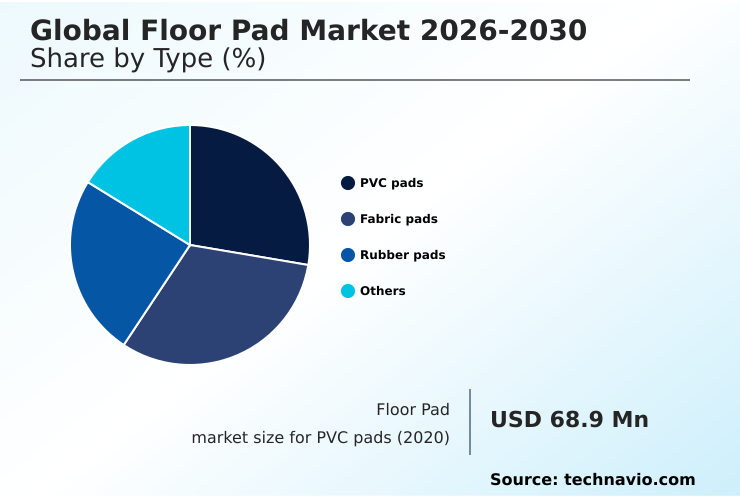
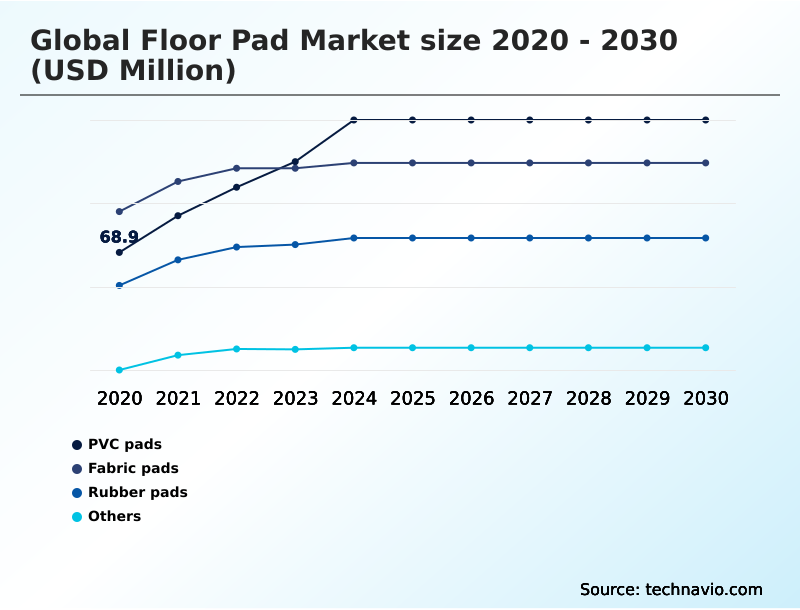
The PVC pads segment was valued at USD 101 million in 2024 and showed a gradual increase during the forecast period.
How demand for the Floor Pad market is rising in the leading region?
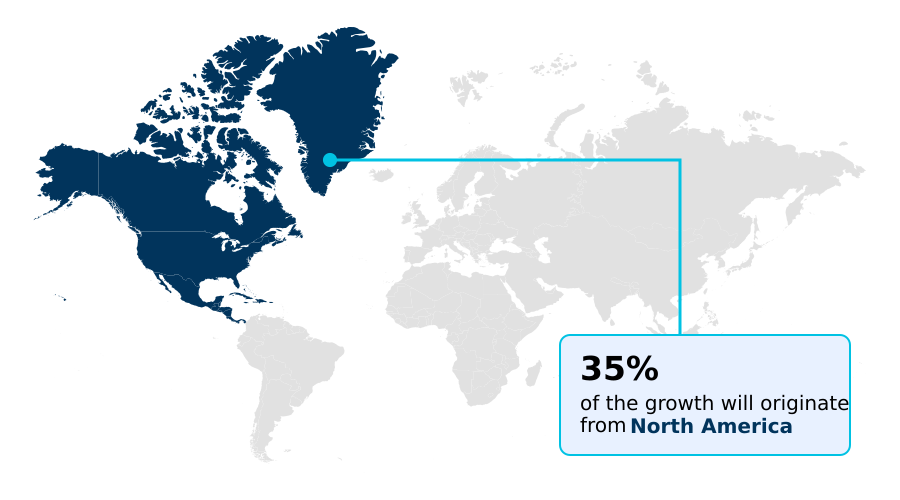
North America is estimated to contribute 35.2% to the growth of the global market during the forecast period.Technavio’s analysts have elaborately explained the regional trends and drivers that shape the market during the forecast period.
See How Floor Pad Market demand is rising in North America Request Free Sample
The geographic landscape of the floor pad market shows significant regional divergence, with North America leading in incremental growth, contributing over 35% of the total, while APAC demonstrates the fastest expansion rate at 7.2%.
In North America, particularly the US which accounts for the largest country market share, high labor costs drive the adoption of advanced solutions like orbital scrubbing machines and diamond-impregnated pads for resilient flooring maintenance.
In contrast, many parts of APAC are still transitioning from manual methods, though demand for melamine foam pads is rising for hard floor surface care in modern commercial buildings.
Europe emphasizes sustainability, with a higher adoption rate of pads with open-web construction for reduced water usage.
The focus in industrial floor maintenance in manufacturing hubs in Germany and China drives demand for specialized concrete polishing pads and effective dust control measures.
What are the key Drivers, Trends, and Challenges in the Floor Pad Market?
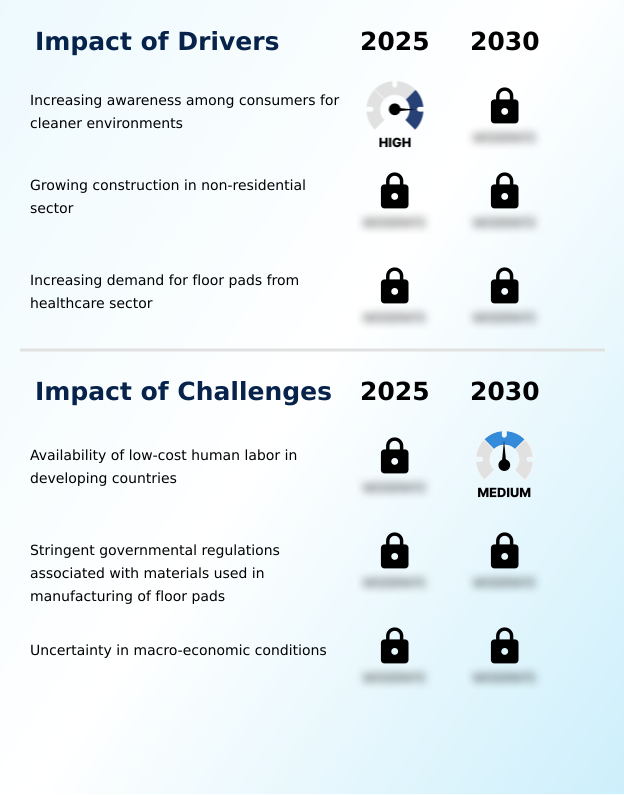
Our researchers analyzed the data with 2025 as the base year, along with the key drivers, trends, and challenges. A holistic analysis of drivers will help companies refine their marketing strategies to gain a competitive advantage.
- Facility managers and procurement specialists are increasingly asking how to choose floor pads for automated scrubbers, as the adoption of robotic cleaning systems grows. The decision is critical, as the right pad can improve cleaning efficiency by over 20% compared to a mismatched one, directly impacting labor costs and operational uptime.
- For large commercial spaces aiming for a high-gloss finish, understanding the best floor pads for high-speed burnishing is essential to protect expensive flooring while achieving desired aesthetics. Simultaneously, corporate sustainability mandates are driving inquiries for eco-friendly floor pads for commercial use, pushing manufacturers to innovate with recycled and bio-based materials.
- A key area of development involves floor stripping pads without chemicals, which align with green cleaning initiatives and improve indoor air quality, a major concern in healthcare and education sectors. For industrial settings, selecting the right heavy-duty scrubbing pads for industrial floors is crucial for safety and maintenance, as these pads are designed to remove tough grease and grime effectively.
- When it comes to surface restoration, especially in retail and architectural applications, using the correct diamond pads for polished concrete floors can eliminate the need for waxes and coatings, reducing long-term maintenance cycles and material costs significantly compared to traditional methods.
What are the key market drivers leading to the rise in the adoption of Floor Pad Industry?
- A growing consumer and commercial emphasis on cleaner, healthier environments is a primary driver for the market, elevating floor hygiene from an aesthetic concern to a critical component of health and safety.
- Increasing awareness of surface hygiene management is a primary driver, particularly in healthcare, where stringent infection prevention protocols boost demand for pads with antimicrobial rubber compounds by over 10% annually in that sector.
- This emphasis on cleanliness is also expanding to other commercial sectors, with outsourced housekeeping services increasingly using specialized microfiber fabric pads for effective high-traffic area cleaning.
- The growing non-residential construction sector also fuels demand, as new facilities require initial surface preparation pads and ongoing maintenance.
- Facility owners are focusing on lifecycle cost management, preferring durable non-woven synthetic fibers that extend floor life and reduce long-term expenses by as much as 15%.
What are the market trends shaping the Floor Pad Industry?
- Technological advancements are transforming floor pads from simple consumables into engineered cleaning solutions with advanced materials and data-informed designs. This evolution enhances performance, durability, and compatibility with modern floor care equipment, driving market differentiation.
- Technological advancements are a dominant trend, with new pads incorporating pad wear-sensors to optimize replacement cycles, improving facility maintenance solutions efficiency by up to 15%. The adoption of automated cleaning systems and robotic floor scrubbers is driving demand for pads with enhanced durability and superior heat resistance control. This shift reduces the total cost of ownership for commercial end-users.
- Concurrently, the emergence of green cleaning technologies is promoting the use of bio-based fiber pads and other eco-labeled cleaning products. These sustainable options now account for over 20% of new product launches in some regions, as companies prioritize workplace safety compliance and environmental responsibility in their operations.
What challenges does the Floor Pad Industry face during its growth?
- The availability of low-cost human labor in developing economies presents a significant structural challenge, intensifying price competition and compressing profit margins for manufacturers in higher-cost regions.
- Stringent governmental regulations on materials present a significant challenge, as compliance with standards for recycled polymer content can increase production costs by 5-10%. These rules, tied to circular economy principles, affect over 30% of manufacturers who must now reformulate products to improve indoor air quality.
- This impacts everything from abrasive grain distribution to the use of older materials like steel wool variants. Macro-economic uncertainty further complicates the market for janitorial cleaning supplies, as fluctuating raw material prices impact profitability.
- This makes it difficult for end-users to balance sustainable procurement criteria with budget constraints, affecting purchasing decisions based on metrics like the pad longevity metric versus upfront cost.
Exclusive Technavio Analysis on Customer Landscape
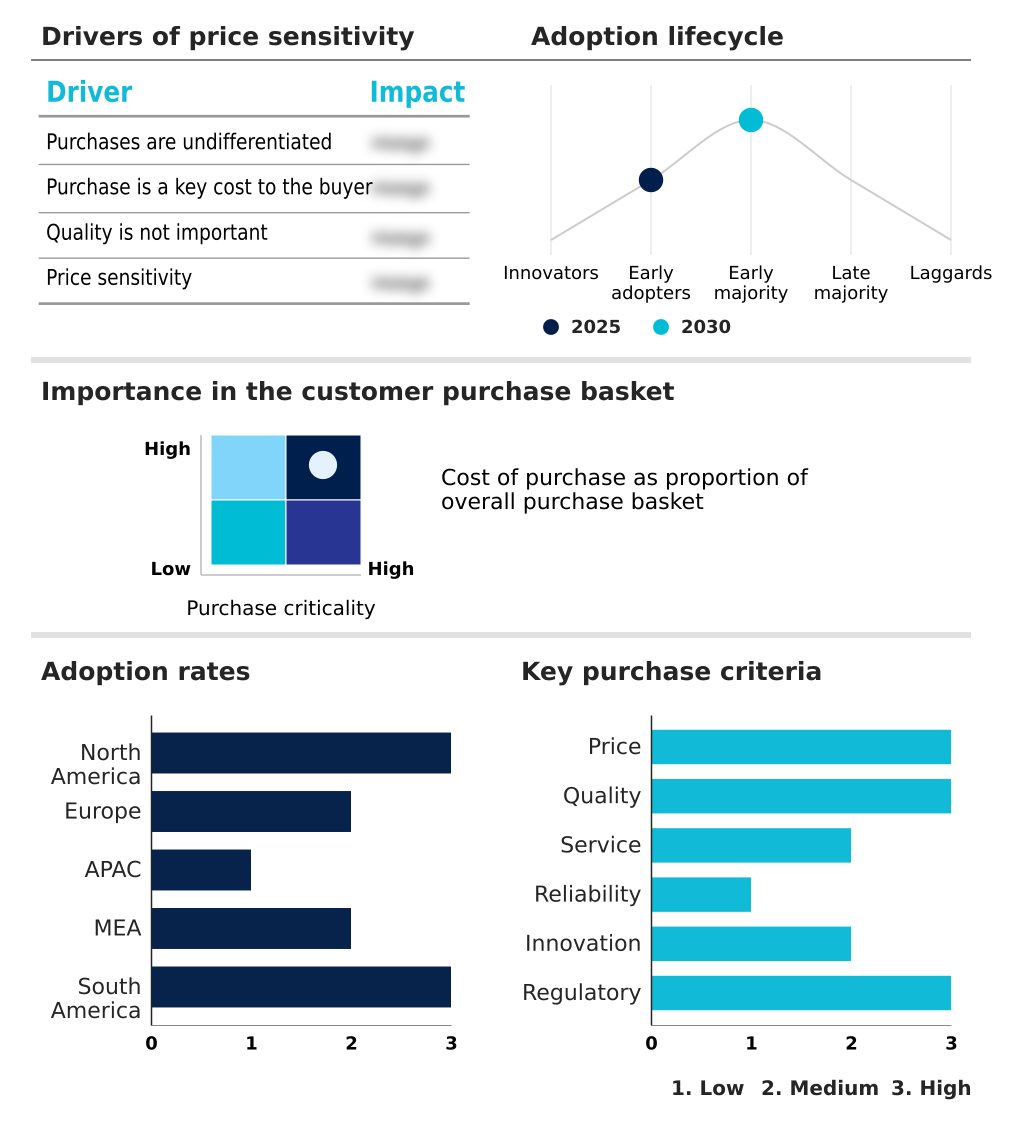
The floor pad market forecasting report includes the adoption lifecycle of the market, covering from the innovator’s stage to the laggard’s stage. It focuses on adoption rates in different regions based on penetration. Furthermore, the floor pad market report also includes key purchase criteria and drivers of price sensitivity to help companies evaluate and develop their market growth analysis strategies.
Customer Landscape of Floor Pad Industry
Competitive Landscape
Companies are implementing various strategies, such as strategic alliances, floor pad market forecast, partnerships, mergers and acquisitions, geographical expansion, and product/service launches, to enhance their presence in the industry.
3M Co. - Key offerings include a comprehensive range of floor pads for stripping, polishing, and maintenance, engineered for diverse commercial and industrial floor care applications.
The industry research and growth report includes detailed analyses of the competitive landscape of the market and information about key companies, including:
- 3M Co.
- A One Industries
- Americo Manufacturing Co.
- Aramsco Inc.
- Bona AB
- CFS Brands LLC
- Compagnie de Saint Gobain SA
- Corazzi Fibre Srl
- Edward Don and Co.
- ETC of Henderson Inc.
- Hillyard Inc.
- Janex Inc.
- Klindex Srl
- Lake Country Manufacturing
- Medline Inc.
- Parish Maintenance Supply
- Roots Multiclean Ltd.
- Surie Polex Industries LLP
- Virginia Abrasives Corp.
Qualitative and quantitative analysis of companies has been conducted to help clients understand the wider business environment as well as the strengths and weaknesses of key industry players. Data is qualitatively analyzed to categorize companies as pure play, category-focused, industry-focused, and diversified; it is quantitatively analyzed to categorize companies as dominant, leading, strong, tentative, and weak.
Market Intelligence Radar: High-Impact Developments & Growth Signals
- In the Home Furnishings industry, the widespread adoption of green building certifications, which now cover over 40% of new commercial construction in some developed regions, has created strong demand for eco-labeled cleaning products, directly impacting the floor pad market by driving the adoption of pads made from recycled content to meet sustainable procurement criteria.
- A significant trend within building management is the integration of IoT and automation, with a push toward robotic floor scrubbers to improve labor efficiency, which requires floor pads with higher durability and specialized designs for automated cleaning systems.
- Heightened regulatory focus on indoor air quality and the reduction of volatile organic compounds (VOCs) in building materials is promoting chemical-free cleaning methods, boosting the market for high-performance mechanical cleaning tools, including advanced microfiber pads.
- The architectural shift toward durable and aesthetic flooring like polished concrete and luxury vinyl tile (LVT) in high-traffic commercial spaces necessitates specialized maintenance solutions, creating a market for application-specific pads designed for hard floor surface care.
Dive into Technavio’s robust research methodology, blending expert interviews, extensive data synthesis, and validated models for unparalleled Floor Pad Market insights. See full methodology.
| Market Scope | |
|---|---|
| Page number | 301 |
| Base year | 2025 |
| Historic period | 2020-2024 |
| Forecast period | 2026-2030 |
| Growth momentum & CAGR | Accelerate at a CAGR of 6.3% |
| Market growth 2026-2030 | USD 117.4 million |
| Market structure | Fragmented |
| YoY growth 2025-2026(%) | 5.6% |
| Key countries | US, Canada, Mexico, Germany, UK, France, Italy, Spain, The Netherlands, China, Japan, India, South Korea, Australia, Indonesia, Saudi Arabia, UAE, South Africa, Israel, Turkey, Brazil, Argentina and Colombia |
| Competitive landscape | Leading Companies, Market Positioning of Companies, Competitive Strategies, and Industry Risks |
Research Analyst Overview
- The floor pad market ecosystem operates through a well-defined value chain, where suppliers of raw materials like non-woven synthetic fibers and recycled polymers provide inputs to manufacturers. These manufacturers engineer products for applications such as high-speed burnishing or chemical-free stripping. The PVC pads segment holds a substantial market share, accounting for over 30% of the market.
- Distribution channels are critical, comprising industrial suppliers and broad-line distributors who connect products with end-users. Key end-user segments include healthcare, which demands pads compliant with stringent infection prevention protocols, and the manufacturing sector.
- Regulatory bodies influence material choices, pushing for green cleaning technologies and sustainable procurement criteria, while technology enablers focus on innovations like robotic floor scrubbers and pad wear-sensors to enhance efficiency.
What are the Key Data Covered in this Floor Pad Market Research and Growth Report?
-
What is the expected growth of the Floor Pad Market between 2026 and 2030?
-
The Floor Pad Market is expected to grow by USD 117.4 million during 2026-2030, registering a CAGR of 6.3%. Year-over-year growth in 2026 is estimated at 5.6%%. This acceleration is shaped by increasing awareness among consumers for cleaner environments, which is intensifying demand across multiple end-use verticals covered in the report.
-
-
What segmentation does the market report cover?
-
The report is segmented by Type (PVC pads, Fabric pads, Rubber pads, and Others), End-user (Manufacturing, Warehouse and logistics, Healthcare, Hospitality, and Others), Application (Industrial, Commercial, and Others) and Geography (North America, Europe, APAC, Middle East and Africa, South America). Among these, the PVC pads segment is estimated to witness significant growth during the forecast period, driven by rising adoption across key application areas. Each segment includes detailed qualitative and quantitative analysis, along with historical data from 2020-2024 and forecasts through 2030 with year-over-year growth rates.
-
-
Which regions are analyzed in the report?
-
The report covers North America, Europe, APAC, Middle East and Africa and South America. North America is estimated to contribute 35.2% to market growth during the forecast period. Country-level analysis includes US, Canada, Mexico, Germany, UK, France, Italy, Spain, The Netherlands, China, Japan, India, South Korea, Australia, Indonesia, Saudi Arabia, UAE, South Africa, Israel, Turkey, Brazil, Argentina and Colombia, with dedicated market size tables and year-over-year growth for each.
-
-
What are the key growth drivers and market challenges?
-
The primary driver is increasing awareness among consumers for cleaner environments, which is accelerating investment and industry demand. The main challenge is availability of low-cost human labor in developing countries, creating operational barriers for key market participants. The report quantifies the impact of each driver and challenge across 2026 and 2030 with comparative analysis.
-
-
Who are the major players in the Floor Pad Market?
-
Key vendors include 3M Co., A One Industries, Americo Manufacturing Co., Aramsco Inc., Bona AB, CFS Brands LLC, Compagnie de Saint Gobain SA, Corazzi Fibre Srl, Edward Don and Co., ETC of Henderson Inc., Hillyard Inc., Janex Inc., Klindex Srl, Lake Country Manufacturing, Medline Inc., Parish Maintenance Supply, Roots Multiclean Ltd., Surie Polex Industries LLP and Virginia Abrasives Corp.. The report provides qualitative and quantitative analysis categorizing companies as dominant, leading, strong, tentative, and weak based on their market positioning. Company profiles include business segment analysis, SWOT assessment, key offerings, and recent strategic developments.
-
Market Research Insights
- The competitive landscape of the floor pad market is moderately fragmented, with top vendors like 3M Co. and Compagnie de Saint Gobain SA accounting for a significant share of innovation in abrasive technology. Leading firms are focusing on sustainability, with some introducing floor pads manufactured from over 50% post-consumer recycled content to meet new environmental standards.
- Recent developments include pads with integrated RFID sensors to track wear and optimize replacement schedules, enhancing operational efficiency for large-scale facility managers. This innovation directly addresses the growing adoption of automated floor cleaning machines, a primary market trend.
- These advancements are critical as manufacturers navigate the challenge of raw material price volatility, forcing a strategic shift toward performance-based value propositions over pure cost competition. This focus on technology and sustainability helps established players differentiate their offerings in a market facing consistent price pressures.
We can help! Our analysts can customize this floor pad market research report to meet your requirements.
 RIA -
RIA -