



Closed-source Foundation Model Market Size 2026-2030
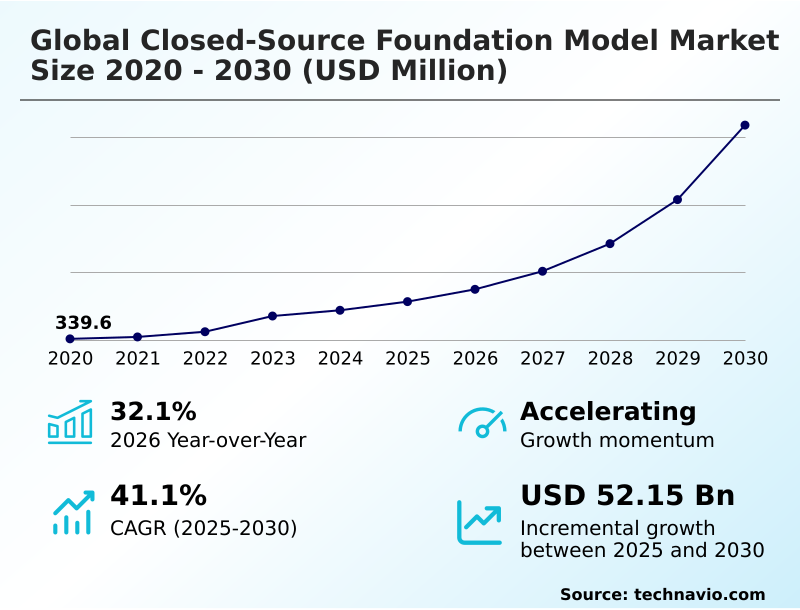
The Closed-source Foundation Model Market size was valued at USD 11.34 billion in 2025, growing at a CAGR of 41.1% during the forecast period 2026-2030.
Major Market Trends & Insights
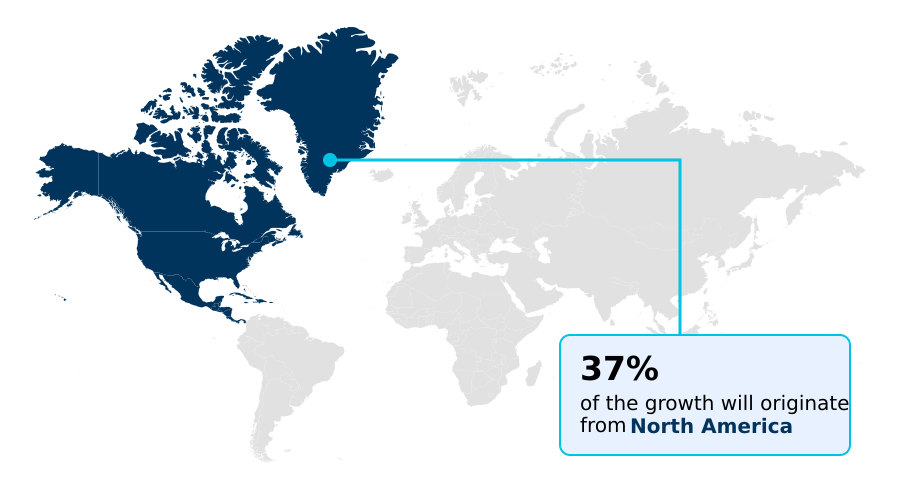
- North America dominated the market and accounted for a 37.4% growth during the forecast period.
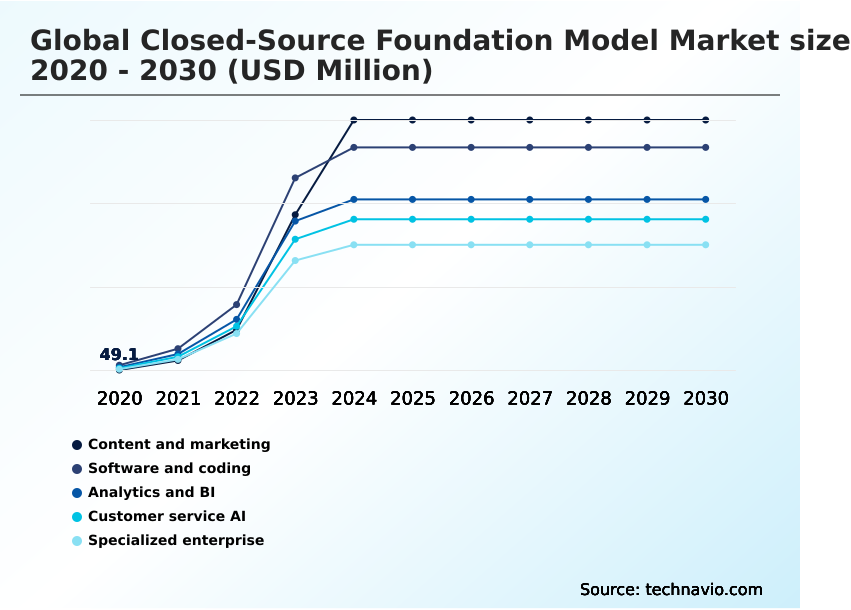
- By Application - Content and marketing segment was valued at USD 2.37 billion in 2024
- By Technology - Transformer-based segment accounted for the largest market revenue share in 2024
Market Size & Forecast
- Historic Market Opportunities 2020-2024: USD 63.15 billion
- Market Future Opportunities 2025-2030: USD 52.15 billion
- CAGR from 2025 to 2030 : 41.1%
Market Summary
- The closed-source foundation model market is defined by systems that demonstrate up to a 15% performance uplift over open-source alternatives on complex reasoning benchmarks, establishing them as the preferred choice for mission-critical enterprise functions.
- This performance advantage is critical in sectors like finance, where a model's ability to conduct autonomous audits with a 5% lower error rate directly impacts regulatory compliance and risk management. A key driver is the demand for robust data security and adherence to evolving regulations, as proprietary vendors offer stringent data privacy guarantees.
- However, the market faces the significant challenge of escalating computational costs and the immense capital expenditure required for developing and maintaining frontier-scale architectures. These systems require massive capital investments in specialized hardware, which remains largely inaccessible to the broader open-source community, ensuring that proprietary models maintain their lead in high-stakes areas.
What will be the Size of the Closed-source Foundation Model Market during the forecast period?
Get Key Insights on Market Forecast (PDF) Request Free Sample
How is the Closed-source Foundation Model Market Segmented?
The closed-source foundation model industry research report provides comprehensive data (region-wise segment analysis), with forecasts and analysis for the period 2026-2030, as well as historical data from 2020-2024 for the following segments.
- Application
- Content and marketing
- Software and coding
- Analytics and BI
- Customer service AI
- Specialized enterprise
- Technology
- Transformer-based
- Multimodal
- Retrieval-augmented generation
- Diffusion models
- Reinforcement learning
- Deployment
- Cloud
- On premises
- Edge
- Geography
- North America
- US
- Canada
- Mexico
- Europe
- Germany
- UK
- France
- APAC
- China
- Japan
- India
- South America
- Brazil
- Argentina
- Middle East and Africa
- Saudi Arabia
- UAE
- South Africa
- Rest of World (ROW)
- North America
How is the Closed-source Foundation Model Market Segmented by Application?
The content and marketing segment is estimated to witness significant growth during the forecast period.
The content and marketing segment is a primary growth engine, with integrated systems increasing campaign engagement rates by up to 25%.
Enterprises use API-based access for closed-source foundation models to automate the creation of advertising copy, social media updates, and email campaigns, leveraging superior instruction-following precision.
The adoption of multilingual language models enables hyper-personalization at scale, allowing marketers to tailor communications to individual consumer profiles, which can improve conversion metrics by 15%.
This shift is driven by the corporate need for a continuous and scalable content pipeline, a task that is resource-intensive when managed by human teams alone.
The proprietary model training on curated datasets ensures a high degree of linguistic coherence and creative nuance for brand integrity.
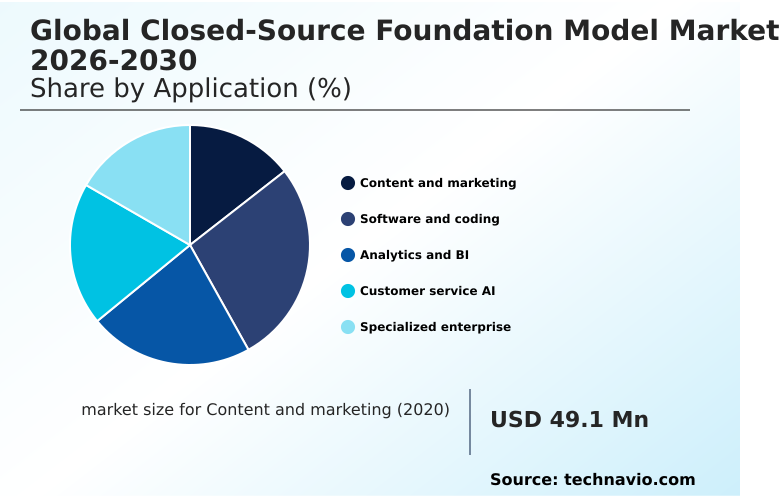
The Content and marketing segment was valued at USD 2.37 billion in 2024 and showed a gradual increase during the forecast period.
How demand for the Closed-source Foundation Model market is rising in the leading region?
North America is estimated to contribute 37.4% to the growth of the global market during the forecast period.Technavio’s analysts have elaborately explained the regional trends and drivers that shape the market during the forecast period.
See How Closed-source Foundation Model Market demand is rising in North America Request Free Sample
North America leads the market, but the APAC region is projected to exhibit a CAGR approximately 3.4 percentage points higher, driven by sovereign AI initiatives.
The US accounts for over 75% of North America's market value, fueled by a mature enterprise customer base demanding high-performance, specialized models for sectors like finance and healthcare.
In contrast, growth in APAC and the Middle East is characterized by a government-led push for regional data localization and digital sovereignty, creating a demand for models with strong multilingual capabilities and adherence to local data privacy guarantees.
This geographic divergence in adoption drivers is compelling global providers to establish localized infrastructure, which can increase operational costs by up to 20% but is essential for capturing growth in these emerging high-potential regions.
What are the key Drivers, Trends, and Challenges in the Closed-source Foundation Model Market?
Our researchers analyzed the data with 2025 as the base year, along with the key drivers, trends, and challenges. A holistic analysis of drivers will help companies refine their marketing strategies to gain a competitive advantage.
- A central strategic consideration for enterprises is the ongoing debate over closed-source vs open-source foundation models. For many organizations, the decision hinges on the specific enterprise applications of proprietary AI, particularly in regulated industries where data security in proprietary AI models is non-negotiable.
- While the cost of deploying closed-source AI can be substantial, often 2-3 times higher than self-hosted open-source solutions, the premium is justified by superior performance, reliability, and enterprise-grade support. These proprietary systems offer advanced multimodal capabilities of foundation models, which can now process over five distinct data types, including text, image, and video, a significant increase from earlier text-only models.
- For instance, in financial services, the use of a closed-source model for fraud detection can reduce false positives by over 15% compared to open-source alternatives, delivering a clear return on investment that outweighs the initial setup costs.
- This performance gap is a key factor as businesses evaluate the total cost of ownership against the tangible benefits of enhanced accuracy and security.
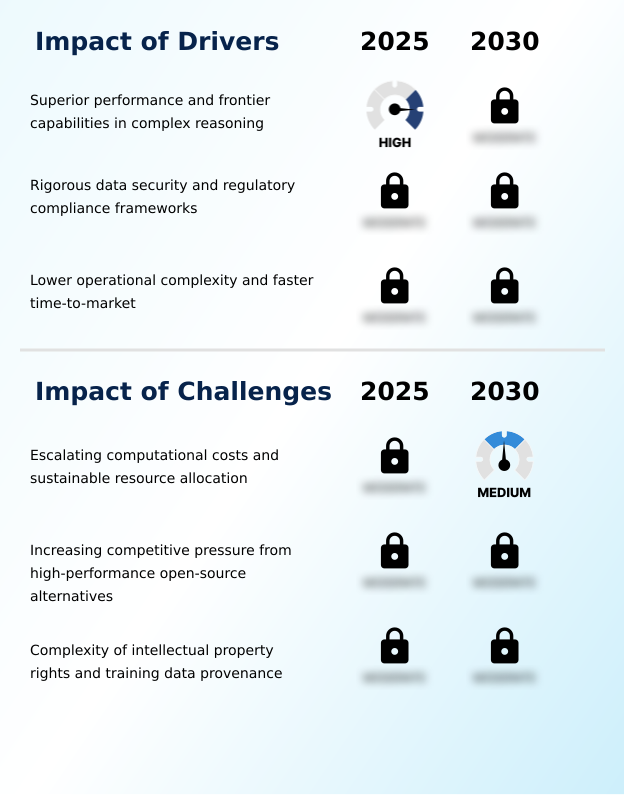
What are the key market drivers leading to the rise in the adoption of Closed-source Foundation Model Industry?
- Superior performance and frontier capabilities in complex reasoning serve as key drivers propelling the growth of the market.
- Superior performance propels the market, with leading closed-source models maintaining a lead of over 10 points on graduate-level scientific reasoning benchmarks compared to top open-source alternatives.
- This frontier capability in complex reasoning is a critical driver for enterprises in high-stakes fields like finance and R&D.
- Another key driver is the reduction in operational complexity; using a managed API can accelerate time-to-market for AI applications by up to 50% by eliminating the need for in-house MLOps expertise.
- The demand for comprehensive data security and regulatory compliance frameworks further solidifies the position of proprietary models, which offer enterprise-grade security features and data privacy guarantees essential for operating in regulated industries.
What are the market trends shaping the Closed-source Foundation Model Industry?
- The market is experiencing a proliferation of verticalized and domain-specific proprietary solutions, driven by enterprise demand for highly specialized AI with deep, industry-specific knowledge.
- A primary market trend is the shift from general-purpose systems to verticalized architectures, with domain-specific models demonstrating a 20% higher accuracy in specialized tasks like legal contract analysis. This transition is driven by enterprise demand for precision in niche sectors where generic models struggle with technical vernacular.
- Leading providers are developing proprietary models trained on exclusive datasets, allowing for tailored AI safety protocols and model alignment techniques that fit specific industry risk profiles.
- Furthermore, the integration of advanced multimodal orchestration enables the automation of complex processes, with new models capable of generating synchronized text and image outputs 30% faster than previous versions, ensuring that proprietary solutions remain indispensable for enterprises requiring reliable, specialized intelligence.
What challenges does the Closed-source Foundation Model Industry face during its growth?
- Escalating computational costs and the need for sustainable resource allocation represent key challenges affecting industry growth.
- A significant challenge is the escalating computational resource allocation, with the cost to train a frontier model increasing by over 300% in the last two years. This financial burden, coupled with rising energy costs, creates a sustainability crisis and a high barrier to entry.
- This commoditization pressure is a strategic threat, as enterprises increasingly evaluate the total cost of ownership and find open-source models that perform at 90% of the efficiency of a proprietary system for a fraction of the long-term cost.
- Additionally, the legal complexity surrounding data licensing agreements and intellectual property rights for training data poses a critical hurdle, as the lack of a clear legal framework creates perpetual uncertainty and stifles innovation.
Exclusive Technavio Analysis on Customer Landscape
The closed-source foundation model market forecasting report includes the adoption lifecycle of the market, covering from the innovator’s stage to the laggard’s stage. It focuses on adoption rates in different regions based on penetration. Furthermore, the closed-source foundation model market report also includes key purchase criteria and drivers of price sensitivity to help companies evaluate and develop their market growth analysis strategies.
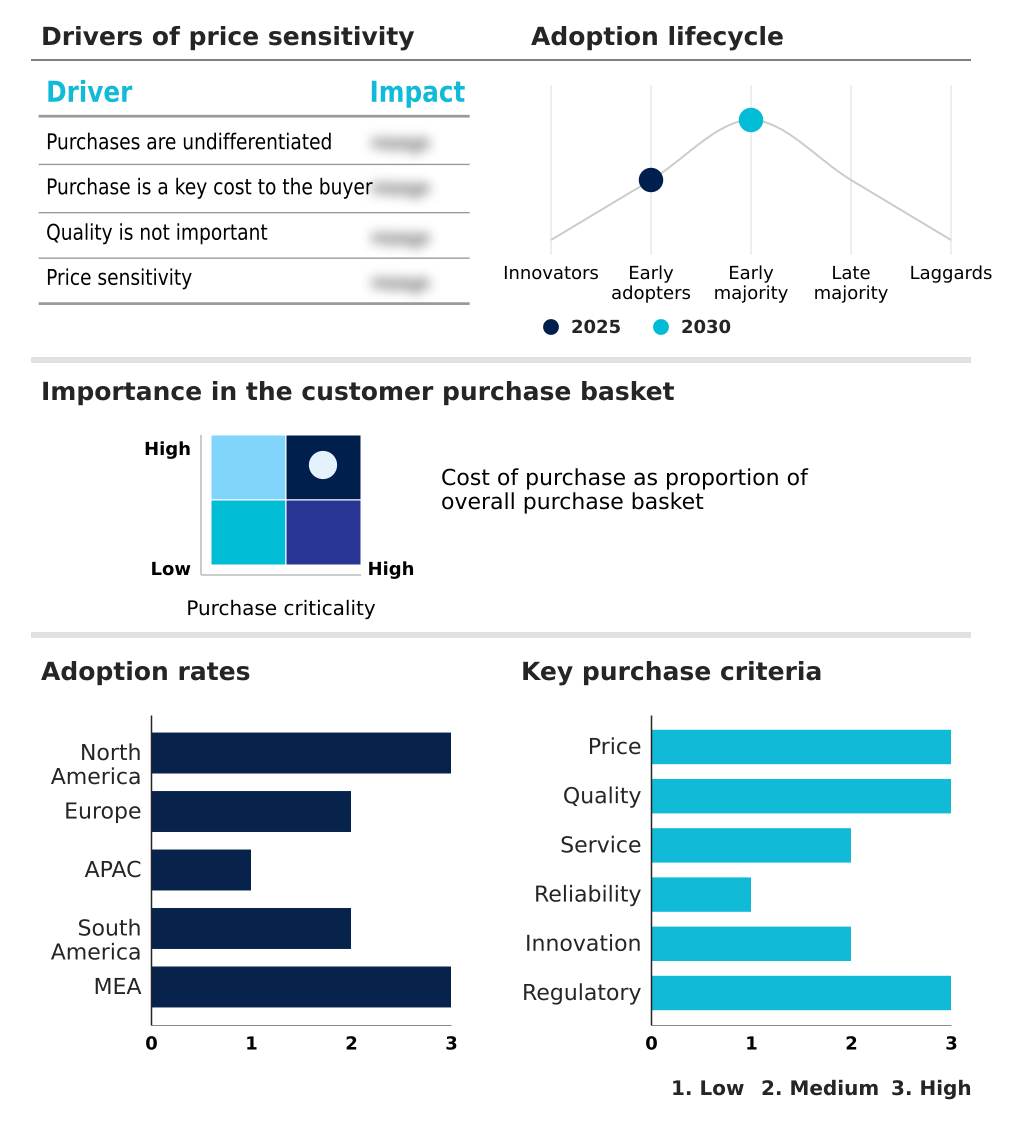
Customer Landscape of Closed-source Foundation Model Industry
Competitive Landscape
Companies are implementing various strategies, such as strategic alliances, closed-source foundation model market forecast, partnerships, mergers and acquisitions, geographical expansion, and product/service launches, to enhance their presence in the industry.
AI21 Labs - Proprietary foundation models are delivered via secure cloud APIs, offering multimodal capabilities and enterprise-grade performance for diverse applications.
The industry research and growth report includes detailed analyses of the competitive landscape of the market and information about key companies, including:
- AI21 Labs
- Aleph Alpha GmbH
- Alibaba Cloud
- Amazon.com Inc.
- Anthropic
- Baidu Inc.
- ByteDance Ltd.
- Cohere
- DeepSeek
- Google LLC
- Huawei Technologies Co. Ltd.
- Inflection AI Inc.
- Microsoft Corp.
- Mistral AI
- NVIDIA Corp.
- OpenAI
- Reka AI
- SAP SE
- SenseTime Group Inc.
- Tencent Holdings Ltd.
Qualitative and quantitative analysis of companies has been conducted to help clients understand the wider business environment as well as the strengths and weaknesses of key industry players. Data is qualitatively analyzed to categorize companies as pure play, category-focused, industry-focused, and diversified; it is quantitatively analyzed to categorize companies as dominant, leading, strong, tentative, and weak.
Market Intelligence Radar: High-Impact Developments & Growth Signals
- In the Application Software industry, the enforcement of stringent data privacy regulations, such as GDPR, has increased demand for closed-source foundation model that offer robust data sovereignty mandates and auditable regulatory compliance frameworks, making these features a critical differentiator.
- The widespread adoption of cloud-based delivery models and subscription services has lowered the barrier to entry for enterprises, accelerating the uptake of closed-source foundation model through scalable model-as-a-service platforms and managed API access.
- A surge in enterprise demand for advanced automation has directly fueled the need for closed-source foundation model capable of executing complex, autonomous agentic workflows, moving beyond simple task automation to full process orchestration.
- Growing investments in data and analytics tools across enterprises create a significant pull for closed-source foundation model that can offer sophisticated, low-latency inference capabilities to process and derive insights from massive, unstructured datasets in real-time.
Dive into Technavio’s robust research methodology, blending expert interviews, extensive data synthesis, and validated models for unparalleled Closed-source Foundation Model Market insights. See full methodology.
| Market Scope | |
|---|---|
| Page number | 311 |
| Base year | 2025 |
| Historic period | 2020-2024 |
| Forecast period | 2026-2030 |
| Growth momentum & CAGR | Accelerate at a CAGR of 41.1% |
| Market growth 2026-2030 | USD 52150.2 million |
| Market structure | Fragmented |
| YoY growth 2025-2026(%) | 32.1% |
| Key countries | US, Canada, Mexico, Germany, UK, France, Italy, Spain, The Netherlands, China, Japan, India, South Korea, Australia, Indonesia, Brazil, Argentina, Chile, Saudi Arabia, UAE, South Africa, Israel and Turkey |
| Competitive landscape | Leading Companies, Market Positioning of Companies, Competitive Strategies, and Industry Risks |
Research Analyst Overview
- The market ecosystem is anchored by a few hardware suppliers providing essential GPUs, on which foundation model providers build their proprietary systems. Access is predominantly granted through cloud-based deployment via APIs, with over 80% of enterprise interactions occurring on major cloud platforms.
- These providers, including major technology corporations and specialized AI labs, offer model-as-a-service platforms that allow enterprise developers and data scientists to integrate advanced AI without managing the underlying infrastructure. The value chain is heavily influenced by the providers' continuous R&D, which delivers performance improvements like a 10% reduction in model hallucination rates annually.
- End-users across finance, healthcare, and marketing consume these services to enhance productivity, with regulatory bodies increasingly scrutinizing data provenance and model alignment.
What are the Key Data Covered in this Closed-source Foundation Model Market Research and Growth Report?
-
What is the expected growth of the Closed-source Foundation Model Market between 2026 and 2030?
-
The Closed-source Foundation Model Market is expected to grow by USD 52.15 billion during 2026-2030, registering a CAGR of 41.1%. Year-over-year growth in 2026 is estimated at 32.1%%. This acceleration is shaped by superior performance and frontier capabilities in complex reasoning, which is intensifying demand across multiple end-use verticals covered in the report.
-
-
What segmentation does the market report cover?
-
The report is segmented by Application (Content and marketing, Software and coding, Analytics and BI, Customer service AI, and Specialized enterprise), Technology (Transformer-based, Multimodal, Retrieval-augmented generation, Diffusion models, and Reinforcement learning), Deployment (Cloud, On premises, and Edge) and Geography (North America, Europe, APAC, South America, Middle East and Africa). Among these, the Content and marketing segment is estimated to witness significant growth during the forecast period, driven by rising adoption across key application areas. Each segment includes detailed qualitative and quantitative analysis, along with historical data from 2020-2024 and forecasts through 2030 with year-over-year growth rates.
-
-
Which regions are analyzed in the report?
-
The report covers North America, Europe, APAC, South America and Middle East and Africa. North America is estimated to contribute 37.4% to market growth during the forecast period. Country-level analysis includes US, Canada, Mexico, Germany, UK, France, Italy, Spain, The Netherlands, China, Japan, India, South Korea, Australia, Indonesia, Brazil, Argentina, Chile, Saudi Arabia, UAE, South Africa, Israel and Turkey, with dedicated market size tables and year-over-year growth for each.
-
-
What are the key growth drivers and market challenges?
-
The primary driver is superior performance and frontier capabilities in complex reasoning, which is accelerating investment and industry demand. The main challenge is escalating computational costs and sustainable resource allocation, creating operational barriers for key market participants. The report quantifies the impact of each driver and challenge across 2026 and 2030 with comparative analysis.
-
-
Who are the major players in the Closed-source Foundation Model Market?
-
Key vendors include AI21 Labs, Aleph Alpha GmbH, Alibaba Cloud, Amazon.com Inc., Anthropic, Baidu Inc., ByteDance Ltd., Cohere, DeepSeek, Google LLC, Huawei Technologies Co. Ltd., Inflection AI Inc., Microsoft Corp., Mistral AI, NVIDIA Corp., OpenAI, Reka AI, SAP SE, SenseTime Group Inc. and Tencent Holdings Ltd.. The report provides qualitative and quantitative analysis categorizing companies as dominant, leading, strong, tentative, and weak based on their market positioning. Company profiles include business segment analysis, SWOT assessment, key offerings, and recent strategic developments.
-
Market Research Insights
- The competitive landscape is concentrated among a few dominant firms, with the top three players commanding over 70% of API call volume for enterprise-grade generative AI. Key players like Microsoft are pushing towards hyper-personalized computing experiences through strategic initiatives, such as developing personalized AI agents integrated directly into operating systems.
- This move reflects a broader market trend toward deeper enterprise integration and specialization, addressing the escalating demand for industry-specific AI solutions that deliver tangible business outcomes, with some partnerships targeting a 20% improvement in workflow efficiency. These developments are a direct response to enterprise needs for enhanced productivity and compliance with regional data governance standards.
- However, the high cost of R&D and intense competition for specialized talent remain significant challenges for all companies.
We can help! Our analysts can customize this closed-source foundation model market research report to meet your requirements.
 RIA -
RIA -